

A capsule wardrobe does not mean owning five plain black items and wearing the same outfit every day. That is the common misconception. The real goal is to select a small group of clothes that share a color system, work across several settings, and solve more than one dressing problem.
This guide treats the wardrobe like a practical case file: define the problem, set a spending limit, test each item against real outfits, and reject anything that performs only one job. Prices below are retailer examples and can change with sales, location, size, and stock.
This is not legal advice — consult a licensed attorney.
Why a five-piece capsule wardrobe works on a budget
My position is clear: a small wardrobe works best when every piece has at least three jobs. A dress should handle casual daytime wear, a dinner, and a more polished setting. Pants should work with a tee, a blouse, and a cardigan. A layer should change the temperature and the level of formality without requiring a completely new outfit.
The first principle is outfit multiplication
The value of a capsule wardrobe comes from combinations, not from the number of garments. Five items can create several outfits because each item acts as a variable in a simple system. If you own one dress, one pair of pants, one fitted tee, one cardigan, and one overshirt or blazer, you have different lengths, textures, and proportions to work with. The dress can stand alone, sit under the overshirt, or take the cardigan as a soft top layer. The tee can go under the dress, with the pants, or under the cardigan. The pants establish a separate base for work, travel, and weekends.
That multiplication only works when the colors cooperate. A navy, black, cream, gray, olive, or denim-based palette gives you more combinations than five unrelated seasonal colors. The point is not to remove personality. Add personality through a scarf, earrings, shoes, lipstick, or bag that you already own.
The three-use test prevents expensive dead weight
Before buying any item, write down three situations in which you will wear it within the next month. For example: a black midi dress may serve a work meeting, a birthday dinner, and a warm travel day. If you can name only one event, the item is probably an occasion purchase rather than a capsule piece. That is not automatically wrong, but it should come from a separate event budget.
Use a second test for comfort. Sit, walk, reach, layer, and check the care label. A garment that wrinkles after ten minutes, needs special cleaning after every wear, or restricts your stride will not perform as often as the price tag suggests. The best budget purchase is the item that survives ordinary life, not the item that looks impressive on a product page.
How to choose five pieces with a firm spending limit

The strongest budget plan starts with a ceiling, not with a shopping cart. Set a total amount before browsing and keep a small reserve for tailoring, shipping, or replacing an item that fails the fit test. For a first capsule, $200 to $275 is a workable target if you combine one or two new basics with sale, thrift, or secondhand finds.
Use this five-step buying order
- Audit your current closet. Keep the shoes, bags, coats, and accessories that already work. The five new pieces should fill gaps, not duplicate clothing you own.
- Choose the anchor item. Start with the garment you will wear most often: a simple midi dress, straight-leg trouser, or dark skirt. Its color determines the rest of the palette.
- Add the opposite shape. If the anchor is loose and flowing, choose a fitted tee or neat cardigan. If the anchor is tailored, choose a softer layer. Contrast makes a small wardrobe look less repetitive.
- Set a price cap for each role. A sensible split is $80 to $100 for the anchor, $40 to $60 for bottoms, $10 to $25 for a tee, $25 to $45 for a cardigan, and $30 to $50 for a second layer.
- Test the full set before removing tags. Build at least six outfits with the pieces and your existing shoes. If two garments work only with one other item, return the weaker one.
Choose colors by function, not by trend
A budget capsule needs a quiet base and one controlled accent. Black, navy, charcoal, cream, and denim are easy starting points because they cross seasons and settings. Add one accent such as burgundy, forest green, cobalt, or rust. Avoid buying five different neutrals that look almost identical but do not match in undertone. A cool gray cardigan can look disconnected from warm beige trousers. That small mismatch often causes people to buy more clothes to fix a problem created by the first purchase.
Fabric matters as much as color. A cotton tee, washable knit, and wrinkle-resistant trouser can handle frequent wear. A delicate silk dress may look versatile but needs more careful washing. If your week includes commuting, childcare, travel, or long hours on your feet, give practical fabrics priority. Style is useful only when it survives the schedule you actually have.
How to turn five pieces into twelve usable outfits
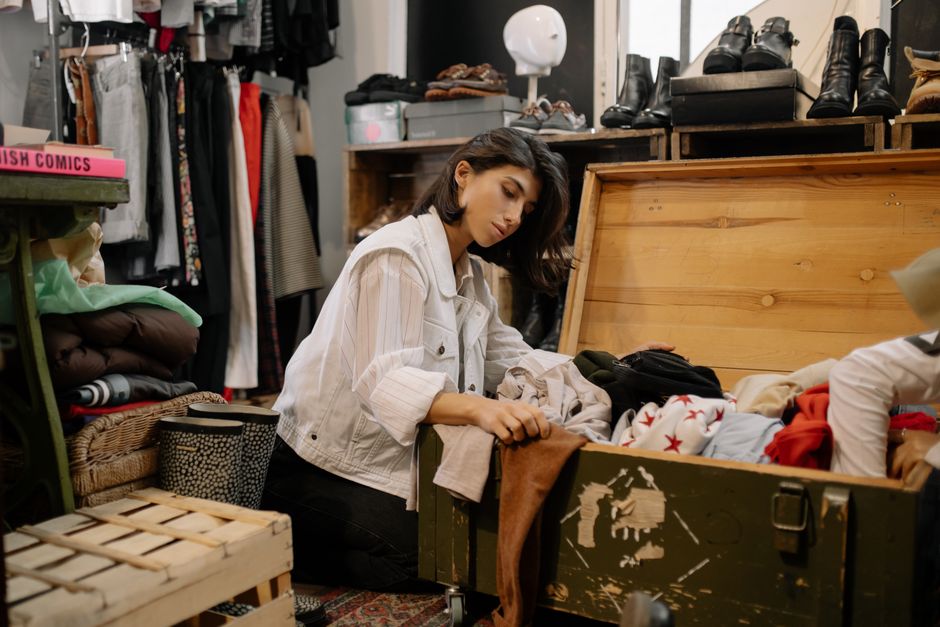
The fastest route to twelve outfits is changing the layer and shoe, not buying more clothes. Start with the dress, tee, trousers, cardigan, and overshirt. Then rotate tucked and untucked proportions, open and closed layers, and casual versus polished footwear. This method creates visible variation while keeping the closet small.
The twelve-outfit rotation
- Dress alone with flats for a simple daytime outfit.
- Dress with a cardigan and ankle boots for cool weather.
- Dress over the fitted tee with sneakers for casual layering.
- Dress under the overshirt with loafers for a sharper weekday look.
- Tee with trousers and flats for errands or a casual office.
- Tee with trousers, cardigan, and loafers for a polished work outfit.
- Tee with trousers and the overshirt worn open for travel.
- Tee tucked into trousers with a belt and statement earrings for dinner.
- Cardigan buttoned as a top with trousers for a clean, low-effort outfit.
- Cardigan over the dress with a belt to change the waistline.
- Overshirt over the dress with sneakers for a relaxed weekend outfit.
- Overshirt over the tee and trousers with boots for a stronger silhouette.
The rule that keeps the rotation from looking repetitive
Change one visible variable at a time. If you change the layer, keep the shoes simple. If you change the shoes, keep the base outfit familiar. Add one accessory with a clear purpose, such as a belt that defines the waist or a scarf that brings the accent color into the outfit. Repeating a base is not a failure. The wardrobe is working when the base feels dependable and the styling changes the message.
What usually breaks a budget capsule wardrobe?
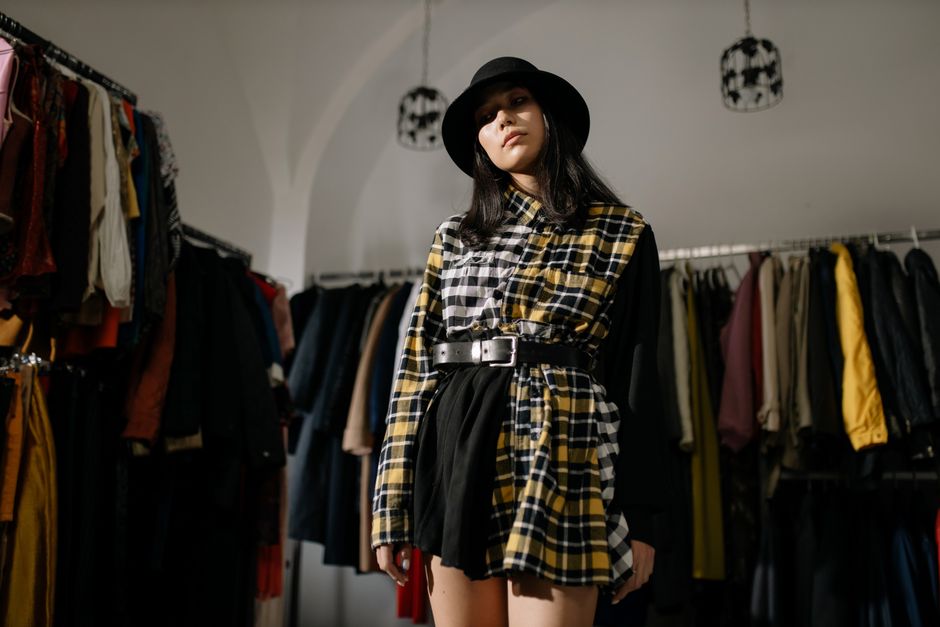
The most common failure is not owning too few clothes. It is buying pieces that cannot cooperate. My verdict is to reject any garment that needs a special purchase before it can make an outfit, including a new bra, unusual shoe, separate slip, or highly specific jacket.
Should you buy a statement piece?
Buy one statement item only after the five core pieces work together. A printed skirt, bright jacket, or embellished dress can add personality, but it should not become the wardrobe anchor unless you already know how often you will wear it. For most people building a first capsule, a textured bag or colorful shoe adds more variety per dollar than a second dramatic dress.
When should you choose a skirt instead of a dress?
Choose a skirt when you already own several tops that fit well and you dislike one-piece dressing. A midi skirt can replace the dress role, but it needs at least three reliable tops to earn its space. Choose the dress when you want faster mornings, fewer decisions, and a complete base outfit in one step. This is a real tradeoff: skirts offer more top combinations, while dresses usually deliver faster outfit assembly.
What mistakes should you avoid?
- Buying every item in black, then discovering that the fabrics have different undertones and textures.
- Choosing a sale item in the wrong size because the discount feels urgent.
- Ignoring sleeve and hem length until layering becomes uncomfortable.
- Counting an item as versatile because it looks good online rather than testing it with clothes you own.
- Spending the full budget on a premium anchor and leaving no money for a wearable layer.
- Adding trend pieces before replacing a missing basic.
The final recommendation is simple: buy the item that closes the largest number of outfit gaps, not the item with the most exciting photograph.
| Need | Best choice | Why |
|---|---|---|
| Fast mornings | Simple midi dress | It forms a complete outfit and layers easily. |
| Office and travel | Wrinkle-resistant trousers | They provide a polished base with low maintenance. |
| Low-cost warmth | Cotton cardigan | It works over both the dress and the tee. |
| More outfit variety | Structured overshirt or blazer | It changes the silhouette without adding another base garment. |