

The common mistake is assuming a cheap maxi dress needs expensive accessories to look polished. It does not. The real problem usually starts with a dress that hangs too straight, drags at the hem, or looks unfinished because every other piece in the outfit has the same relaxed mood.
Picture the usual weekend situation: you have twenty minutes before brunch, the dress cost less than $50, and you want to wear it again for drinks later. The answer is not piling on jewelry. It is controlling shape, shoe height, fabric contrast, and the amount of skin you show.
Why cheap maxi dresses can look casual before you add anything
The real issue is visual weight
A low-cost maxi dress often uses thin jersey, polyester satin, or soft rayon because those fabrics keep the price down. Those materials can look good, but they do not always create their own shape. A dress that falls from shoulder to ankle without a break can make the whole outfit look flat, even when the color is attractive.
That is why visual weight matters more than the label on the garment. A structured bag, a defined waist, a jacket with a firm shoulder, or a shoe with a solid sole gives the eye a place to stop. You only need one or two of those signals. Add all four and the dress starts to look forced.
Use the three-point balance rule
Choose one fitted point, one structured point, and one relaxed point. For example, a loose maxi dress can work with a fitted cropped cardigan, a firm leather-look shoulder bag, and flat sandals. A body-skimming dress can take a relaxed linen shirt, a soft tote, and low-profile sneakers.
This rule also prevents the most common styling error: matching a flowing dress with flowing accessories. A soft dress, oversized canvas tote, loose cardigan, and floppy hat create one long blur. Replace just one item with a sharper shape and the outfit becomes deliberate. For brunch, make the waist or bag the sharp point. For evening, make the shoe or neckline the sharp point.
The fastest way to make one maxi dress work for two plans
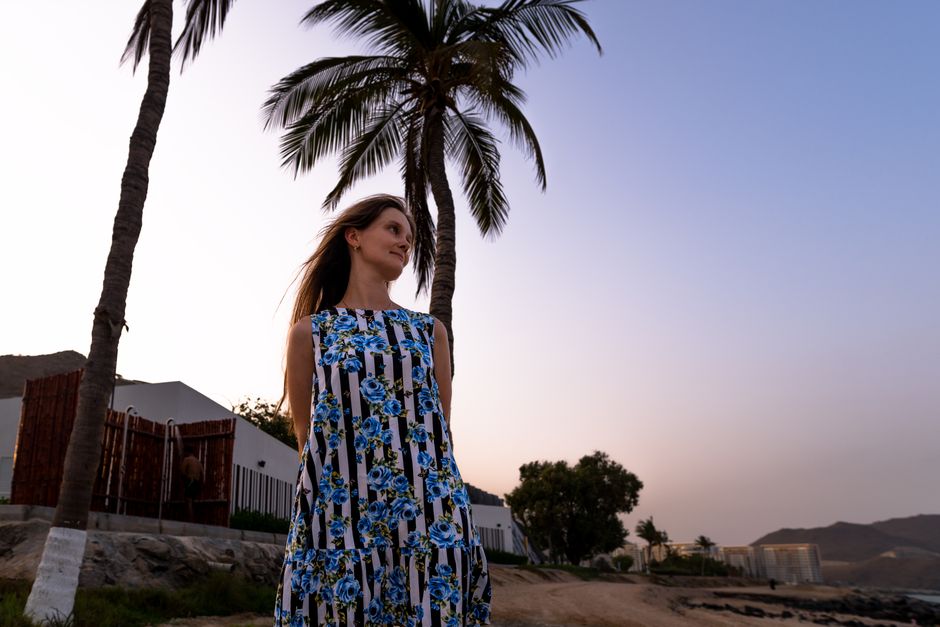
Start with the silhouette, not the accessories
The strongest weekend formula is a clean column or gentle A-line dress with a hem that sits 1 to 2 centimeters above the floor when you wear your daytime shoes, because that length keeps the dress from looking sloppy at brunch and still leaves room for a small heel later.
Add one evening signal after sunset
Keep the dress simple during the day, then change one high-impact detail for night: swap canvas for a small shoulder bag, replace flat sandals with a 4 to 6 centimeter block heel, add a cropped jacket, or wear one metal earring that catches light instead of layering several delicate pieces.
The verdict is clear: one strong change beats five small accessories. A cheap maxi dress looks expensive when the outfit has a visible plan, not when it has more decoration.
How to style a cheap maxi dress in five practical steps
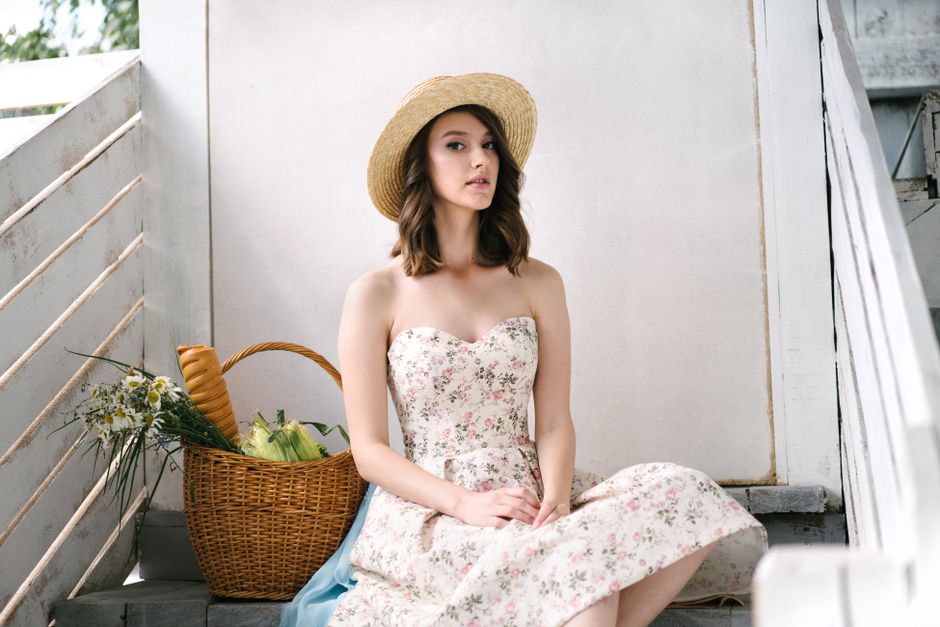
The five-minute outfit test
- Check the hem first. Put on the shoes you will actually wear and walk across the room. If the hem catches under your foot, use a shorter shoe, a temporary hem tape, or a different dress.
- Find the narrowest point. If the dress has no waist seam, place a belt at the point where your ribs end rather than automatically tightening it at the natural waist.
- Choose one hard shape. Pick a structured handbag, cropped jacket, squared sunglasses, or firm-soled shoe. This keeps soft fabric from looking like sleepwear.
- Limit the color story. Use two main colors and one metal tone. A floral dress already contains enough visual information for brunch.
- Test sitting down. Sit in the dress for thirty seconds. Watch the neckline, waist, slit, and hem. An outfit that looks fine standing can feel uncomfortable or overly revealing at a table.
- Pack the night switch. Carry a small bag, a lipstick or tinted balm, and the evening shoe only if the change genuinely improves the outfit.
The mirror check that prevents most styling failures
Take one photo from the front and one from the side. If the dress has no visible shape in either image, do not add more jewelry first. Add structure at the waist or shoulder. If the outfit looks heavy at the bottom, choose a lighter shoe or raise the hem slightly.
This test matters because low-cost clothing often looks different in a changing room mirror than it does in outdoor light. Thin fabric may cling, pale colors may become sheer, and a long skirt may reveal how much you rely on the exact height of your shoes.
My strongest recommendation: use contrast, not decoration
For brunch, make the soft dress look intentional
For brunch, the best formula is a soft maxi dress with one crisp layer and flat shoes. The A New Day Tiered Maxi Dress at about $42 works well with a short denim jacket because the jacket stops the tiered skirt from taking over the whole silhouette. Add a small hoop earring, a woven or smooth tote, and sandals with a sole thick enough to keep the hem away from the pavement.
Do not add a large statement necklace to a tiered dress with a busy print. The dress already has movement, so the jacket supplies the contrast. A low bun or a clean ponytail also helps because loose hair can make a voluminous dress look less finished.
For evening, make the shoe do the work
For dinner or drinks, my winner is the A New Day Satin Flutter Short Sleeve Maxi A-Line Dress at about $35. Its slight sheen handles evening light, but the flutter sleeve keeps it from looking like formalwear. Wear it with a 4 to 6 centimeter block heel, a small shoulder bag, and either a bare neckline or one medium-sized earring.
The trade-off is clear: satin shows wrinkles and may cling at the waist, so it needs a quick steam and smooth undergarments. If you dislike that maintenance, choose the wrap dress instead. It creates shape more easily and hides minor creasing, but it reads more traditionally dressed-up and gives you less room for casual shoes.
Questions that decide if the outfit will actually work
Can I wear sneakers with a maxi dress to brunch?
Yes, but use a clean, low-profile sneaker and keep the dress hem close to the top of the shoe rather than covering it completely. A white leather-style sneaker works with solid colors and small prints; a bulky running shoe usually makes a lightweight dress look unbalanced. Add a cropped jacket or short cardigan so the footwear feels like part of the outfit rather than an emergency choice.
How do I make a cheap dress look less see-through?
Check the dress in daylight before leaving home. If the skirt is sheer, wear a slip that matches your skin tone or the dress, not a bright white layer that creates another visible block. A longer shirt worn open can add coverage at the sides, but it will not fix a transparent skirt on its own. The best solution is a proper slip or a different dress.
Should I belt every loose maxi dress?
No. Belt a loose dress when the fabric has enough body to hold a clean line and the belt sits flat without bunching. Skip the belt when the dress has a smocked bodice, heavy tiers, or a thin knit that gathers around the buckle. For those shapes, a cropped layer gives definition with less pulling.
When is a low price a warning sign?
A low price becomes a problem when the dress has a twisted side seam, weak straps, poor lining, or a hem that only works with one exact shoe. Look at the garment from the back, stretch the fabric gently, and check the care label. A $35 dress that needs tailoring, a slip, and replacement straps is not the bargain it first appeared to be.
When not to buy a cheap maxi dress
Skip it when the dress fails the movement test
Do not buy a maxi dress that restricts your stride, exposes too much when you sit, or drags even with your lowest realistic shoe. Weekend clothes need to survive walking, rideshares, restaurant chairs, and changing temperatures. A dress that only works while you stand still belongs in the return pile.
Choose a different piece when the styling math gets expensive
A cheap maxi dress is not a good buy if it needs a special bra, a new belt, tailoring, shapewear, a specific heel, and a jacket before you feel comfortable. In that situation, buy a simple midi dress or a wide-leg trouser and top instead. Those pieces may cost the same, but they often work with shoes and layers you already own.
The best budget purchase is a dress that solves more than one outfit problem without demanding a new wardrobe around it. Look for a wearable hem, a fabric that passes the daylight test, and a silhouette that creates at least one clear line through the body.
The single most important takeaway is this: style a cheap maxi dress with one deliberate contrast in shape, texture, or shoe height, and it will look considered instead of merely inexpensive.