
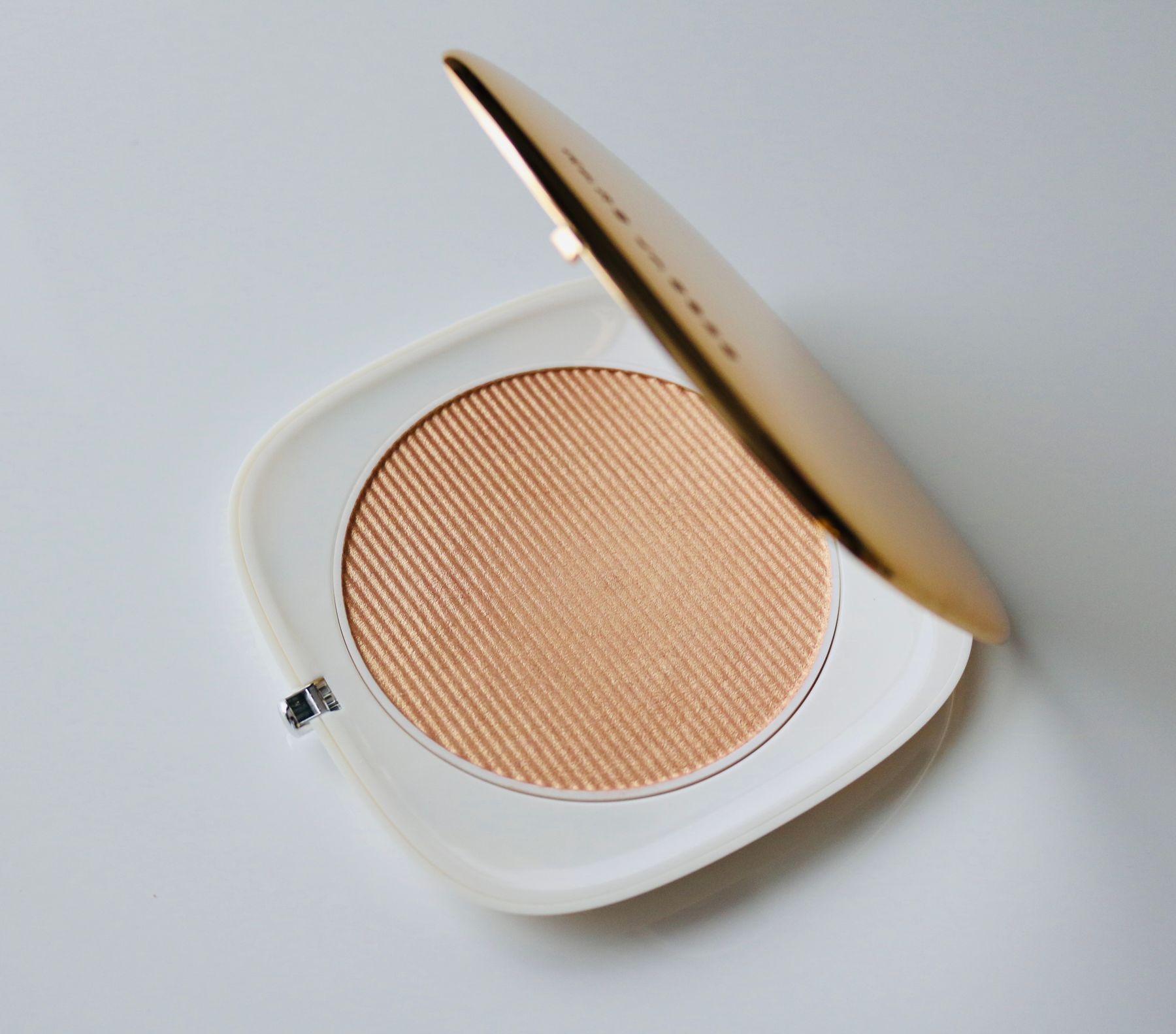
A powder compact can become difficult to use long before the powder runs out. Dust gathers around the hinge, fingerprints blur the mirror and a loose puff spreads residue over the lid. Cleaning the case is a separate job from changing or treating the makeup itself. The aim is a tidy working surface, not a wet powder pan.
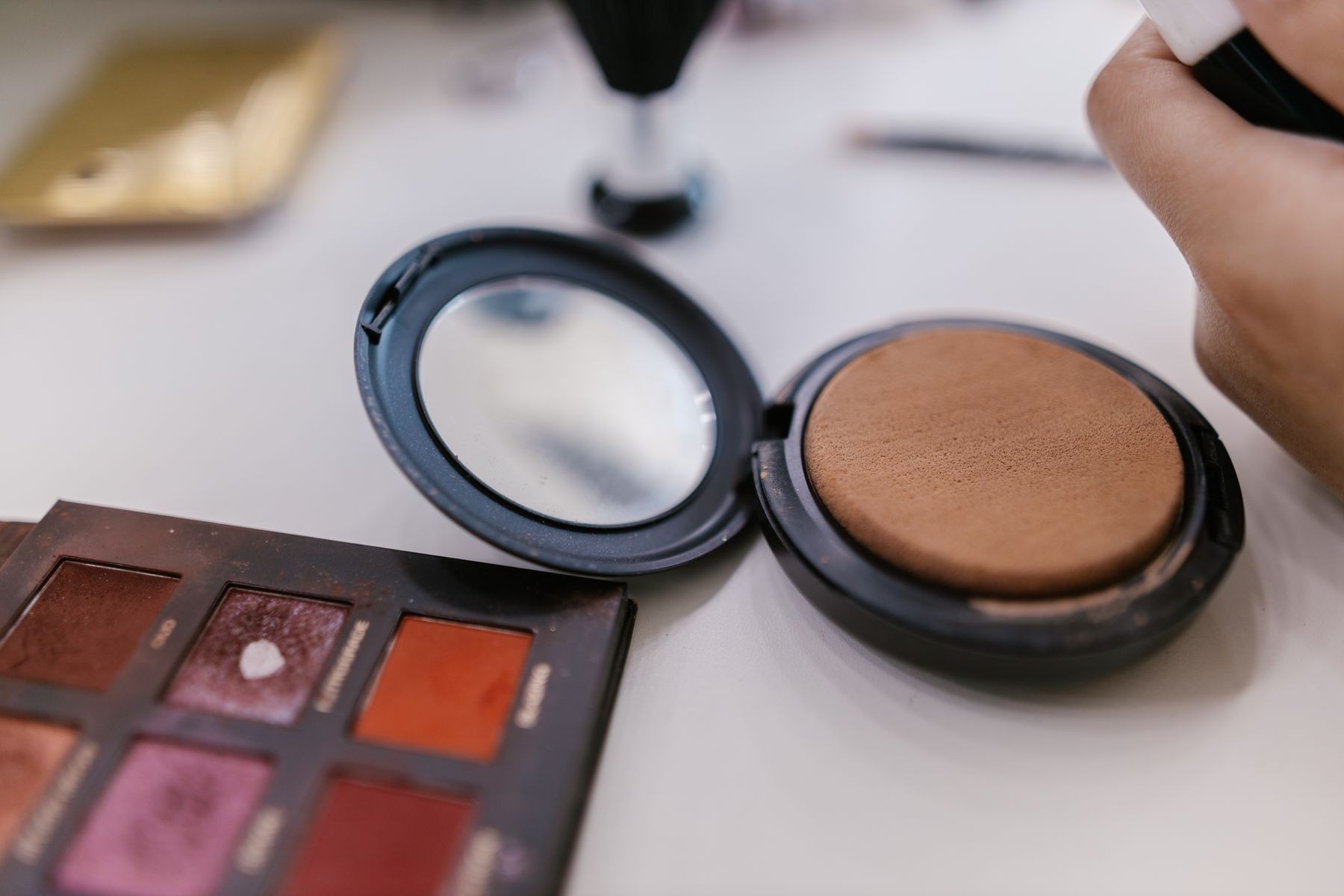
Choose a stable table, good light and a few minutes when you do not need to rush out. Read any care directions supplied with the compact, especially if it has a refill mechanism, unusual finish or electronic component. Keep the cleaning modest and controlled.
Inspect before you start wiping
Open the compact over a washable surface and check whether the powder is secure. A loose refill, cracked pan or broken hinge needs attention before you move the case around. Do not press a crumbling powder back together as part of routine cleaning; that creates a different project and can send loose particles into the hinge.
Remove a detachable puff or sponge and set it aside for cleaning or replacement according to its instructions. If the insert does not lift out easily, do not pry beneath it with a knife. Many cases are designed to stay assembled, and forcing the pan can damage both the product and the closure.
Lift loose dust while everything is dry
Use a clean, dry, soft cloth to lift powder from the outer case and the broad plastic rim. Work away from the pan. A clean cotton swab can reach a narrow corner, but use it gently and stop if fibers catch in the hinge. Avoid blowing into the compact, which can scatter dust and add moisture.
Keep any cloth used on the exterior away from the makeup surface. This is not an opportunity to scrape the top of the powder or experiment with household cleaners on it. If the product itself has changed unexpectedly in appearance, smell or texture, assess it separately using the maker’s guidance.
Clean the mirror with very little moisture
If the case instructions allow it, lightly dampen a corner of a soft cloth with water and wipe the mirror without crossing the rim of the pan. Put the moisture on the cloth, not directly onto the compact. The cloth should not drip when pressed. Use another dry section immediately afterward to remove streaks.
Work in small areas
For a hinged mirror above an exposed pan, hold the compact in a position that keeps any moisture moving away from the powder. You can clean half the mirror, dry it, then move to the other half. If that cannot be done comfortably, stick to a dry wipe rather than balancing the case precariously.
Do not assume a household glass spray suits a cosmetic case. Printed lettering, metallic coatings and glued decorations may respond differently from ordinary window glass. A product intended for one surface is not automatically appropriate for every part of the compact.
Give the closure and outer edge a careful pass
- Wipe the outside lid with a clean cloth suitable for its finish.
- Clear visible loose powder from the latch without digging into it.
- Check the rim where the two halves meet.
- Dry any damp area before returning the applicator.
A latch packed with powder may not close neatly, but forcing it shut is not a cleaning method. If a small amount of dry residue is accessible, lift it away gently. If the closure remains unreliable, keep the compact upright in a secure place until you can decide whether the case can be replaced.
Return only a clean, dry applicator
Washable puffs and sponges need their own care process and complete drying time. Do not close a damp sponge inside the compact. If the case has a separate applicator compartment, clean and dry that area as well. Leave protective dividers in place when they are part of the design.
Finish by checking the mirror from an ordinary viewing distance and opening the latch once. Store the compact where heavy objects will not press against its lid. A quick dry wipe when loose dust first appears is usually less disruptive than waiting until the hinge and mirror are coated. The result should be a compact that works comfortably, with the powder left undisturbed.