
Not every disappointing dress needs sewing, and not every fit problem can be solved with a belt. Before changing anything permanently, identify what you want to improve. A different silhouette is a styling preference. A zipper that strains, a sleeve that restricts reach or a lining that twists is information about fit or construction.
Work with the dress as it exists rather than an imagined version rebuilt from scratch. Some adjustments are relatively contained; others affect several connected parts. Looking at the whole garment first helps you decide whether to style it differently, ask a tailor for an assessment or leave an unsuitable purchase behind.
Name the problem without prescribing the repair
Put on the dress with the underwear and shoes you expect to use. Describe what happens in plain terms: the hem touches the ground, the strap slips, or the waist seam sits higher than you like. Avoid jumping straight to a solution such as shortening the shoulders, because that can change more than the visible symptom.
Photograph the front, side and back in a natural stance. If the issue appears during movement, note the action that causes it. A tailor can learn more from knowing that the neckline pulls when you reach forward than from a general request to make the dress tighter.
Use reversible styling for preference changes
A belt can introduce waist definition to a comfortably loose dress. A different cardigan can reveal a seam hidden by the previous layer. Shoes can change the visual relationship at the hem. These are useful options when the garment already fits and you simply prefer another arrangement.
They are less useful when they conceal persistent tension. Do not tighten a belt to stop a bodice from moving if it makes sitting uncomfortable. Do not shorten your stride to keep a slit closed. A styling adjustment should improve an enjoyable garment, not require you to work around a structural mismatch all day.
Try these checks before booking a repair
- Remove an outer layer that may be pulling the neckline.
- Arrange a twisted lining separately from the outer skirt.
- Set adjustable straps evenly using the garment’s own hardware.
- Check whether a sash is threaded through the correct loops.
- Compare fit with the intended underlayer instead of a bulky substitute.
Recognize connected alterations
Changing a shoulder can affect neckline height, armhole depth and sleeve position. Moving a fitted waist may involve darts, seams and closures. Taking in a dress through the hips can change how a slit opens. These jobs deserve an informed assessment rather than a casual assumption that a single seam will solve everything.
Even shortening a hem can be more involved when the dress has pleats, scalloped lace, a border print or several lining layers. Ask how the finished edge and original proportions would be preserved. A simple-looking result does not necessarily mean the construction underneath is simple.
Mark a hem with the right shoes
If length is the main problem, wear the shoes you actually intend to use when discussing the alteration. Stand naturally on level ground. The aim is a usable hem, not a length based on an unusually tall shoe you rarely wear. Mention whether you want the dress to work with more than one pair.
Check the front, back and sides before cutting. An uneven-looking hem may partly reflect how the dress hangs through the upper body. A tailor can assess whether the garment needs to settle or whether another fit issue should be addressed first. Do not use one hanger measurement as the only cutting guide.
Agree on the result before any permanent change
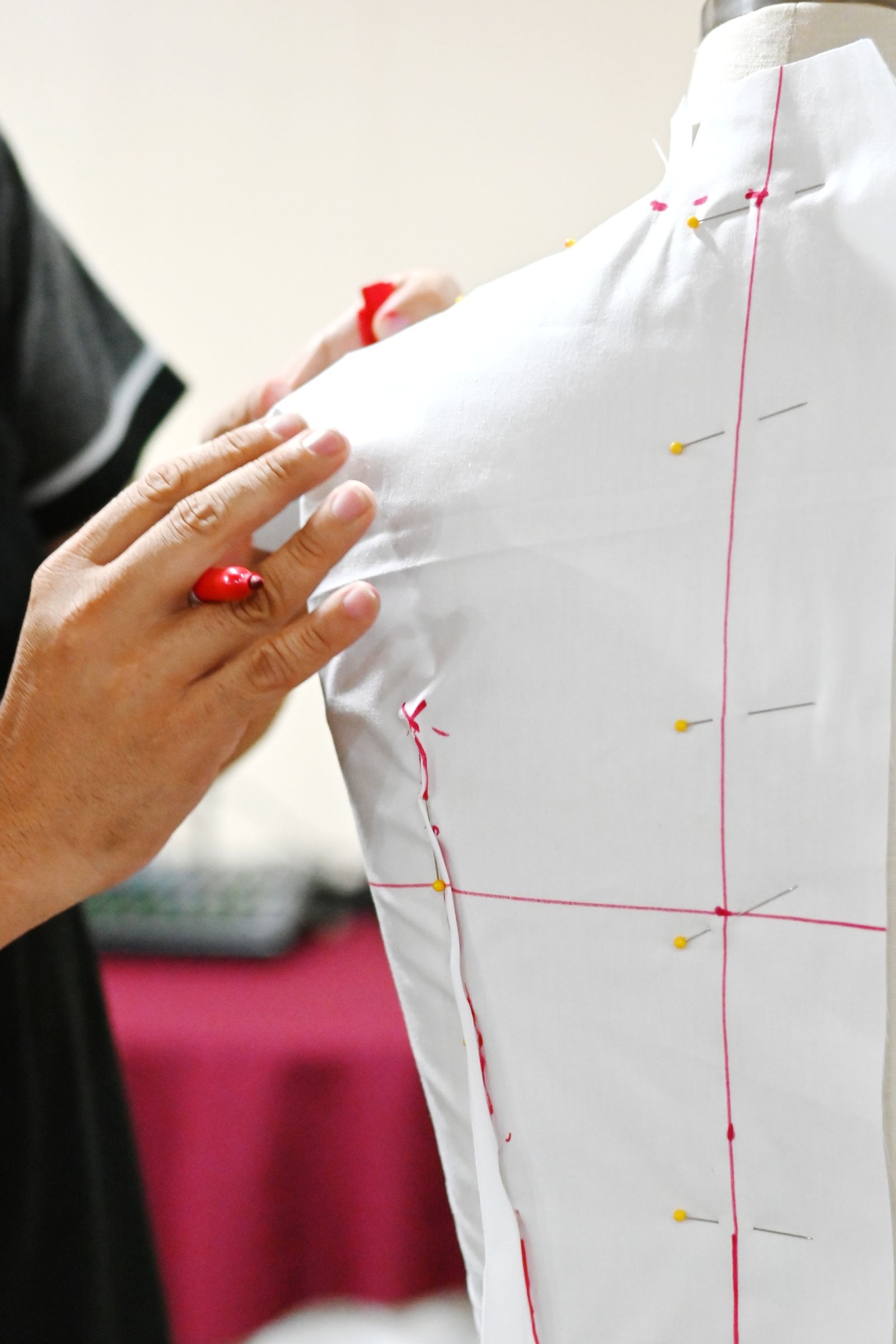
Ask to see the proposed adjustment marked or pinned while you are wearing the dress. Pins are for a careful fitting, not for wearing the garment through normal activities. Confirm what movement and coverage you need, and ask whether the fabric and seam allowances support the change you are considering.
Then decide whether the altered dress would genuinely suit your use. A small, well-chosen change can make an existing favorite easier to wear, while several connected corrections may leave the outcome uncertain. Choosing not to alter a garment is a valid decision when another cut would provide the fit you wanted from the beginning.