
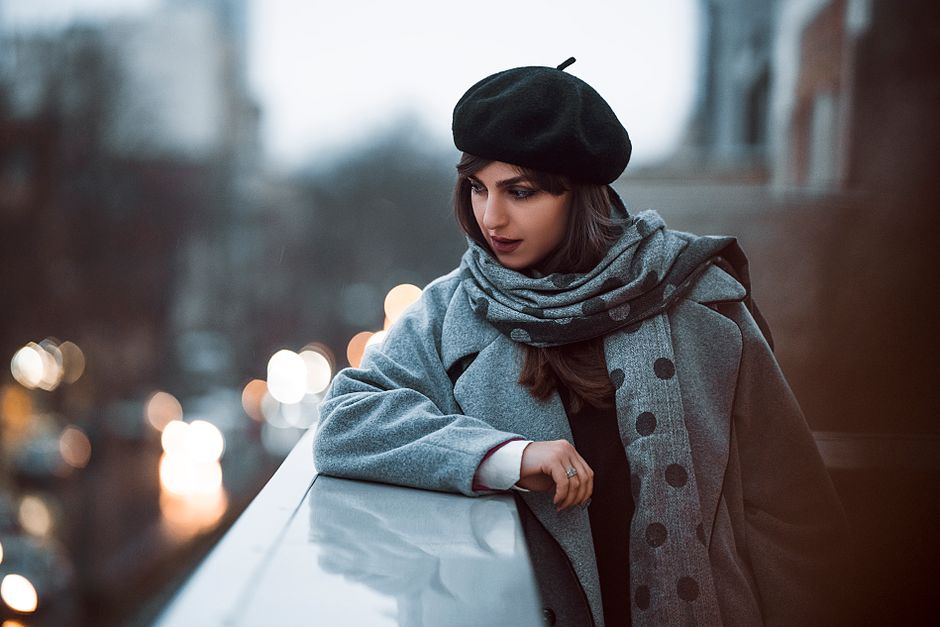
Bonfire Night outfits have a particular job to do: keep you comfortable while you walk to a display, stand around watching the sky and make your way home afterwards. An outfit that feels cosy on the doorstep may feel quite different in an open field. Start with the setting, the forecast and the amount of standing involved, then add colour and texture using clothes you already own. You can look put together without sacrificing covered ankles, a useful hood or shoes that cope with damp grass.
Dress for the whole evening
Before choosing an outfit, check where the display takes place and how you will get there. A short walk to a paved viewing area calls for different footwear from a muddy field reached along an unlit lane. Think about the return journey too: waiting for transport can leave you feeling colder than the walk there.
Check the forecast shortly before leaving and follow the organiser’s advice about suitable clothing and footwear. If rain is likely, make a weatherproof outer layer part of the outfit from the start. An umbrella can be awkward in a crowd and may block someone else’s view, so a well-fitting hood is often the more practical choice.
Build warmth without a bulky middle
Begin with a comfortable, close-fitting top that sits smoothly beneath your other clothes. A long-sleeved base layer is useful if you own one, but an ordinary fitted top can also provide an extra layer. Avoid anything that pulls across your shoulders or feels tight under your arms once you add a jumper.
Over this, choose a jumper with enough room to move. You should be able to bend your elbows, reach into your pockets and fasten your coat comfortably. Several layers only help if they fit together; forcing a chunky knit into narrow coat sleeves makes an evening outdoors feel restrictive.
Try the complete combination before leaving. Sit down, lift your arms and zip or button the coat fully. If the neckline becomes crowded, swap a thick roll neck for a flatter crew neck and add a scarf. This lets you adjust the warmth when you move between the outdoor display and a warm bus or café.
Three outfit combinations for different plans
For a display on damp grass
Straight-leg trousers, a fine long-sleeved top, a relaxed jumper and a hooded weatherproof coat make a dependable starting point. Add boots with soles suited to the ground. Keep trouser hems clear of the grass and avoid wide cuffs that collect water or mud as you walk.
For a coordinated look, repeat one colour in two places: a navy jumper with a navy hat, for example, or a burgundy scarf with burgundy socks just visible above your boots. The coat will cover much of the outfit, so these small details can do the styling work without extra purchases.
For a paved town display
Dark jeans with comfortable room through the legs work well with a layered top and a coat that closes properly. Add flat boots or sturdy trainers appropriate for the forecast. A bright scarf against a charcoal or olive coat gives the outfit a clear focal point while keeping the overall combination easy to assemble.
If you plan to eat indoors afterwards, choose a jumper you feel happy wearing on its own. Keep the underlayer neat at the neckline so removing your coat does not require rearranging the rest of your clothes. A compact bag worn close to your body leaves your hands available for tickets and gloves.
For an evening in a dress
A dress can work if it allows useful layers and stays clear of wet ground. Try a knee-length or midi dress with opaque tights, comfortable boots and a coat long enough to cover your hips. Choose a skirt you can stride in easily, especially if the route includes steps or uneven paths.
For colder conditions, use a smooth long-sleeved layer underneath if the dress has room for it. Keep the outfit simple with a dark dress, dark tights and a colourful hat. Avoid trailing hems or loose decorative sleeves around a bonfire, and always remain behind the event’s safety barriers.
Give your feet a realistic rehearsal
Standing outdoors asks something different of shoes than moving around indoors. Choose a familiar pair that already feels comfortable, then try them with the socks you intend to wear. Thick socks can make normally comfortable boots too tight, so check that your toes have room and your heels are not rubbing.
Consider the surface as well as the temperature. Smooth soles may be unsuitable for slippery paths, while footwear that lets water in will quickly become uncomfortable on wet grass. Use the most suitable pair you own rather than choosing boots purely because their colour matches your coat.
If you need wellies for the venue, check their fit with your chosen socks and make sure you can walk comfortably in them. Tuck trousers in neatly without leaving a thick fold pressing against your leg. Save delicate shoes for another outing if the conditions would make you worry about every step.
Make accessories useful and easy to manage
A hat, scarf and gloves are small additions that can make your outdoor outfit feel much more complete. Choose a hat that covers your ears comfortably and still works with your hood. Test the combination at home so you are not constantly pushing one layer back into place.
Wrap your scarf securely and tuck loose ends inside your coat. Keep gloves in an accessible pocket, and check that you can manage your bag fastening while wearing them. Oversized accessories can look lovely, but they become less appealing if you spend the evening holding them out of the mud.
- Use secure pockets for small essentials you need to reach quickly.
- Keep your bag light enough to carry throughout the display.
- Fasten dangling straps and tuck away loose fabric.
- Choose accessories you can remove and stow without carrying a second bag.
Spend only on the missing practical piece
Lay out your existing coat, footwear and warm layers before deciding that you need something new. Build the outfit around those essentials. A favourite jumper may work perfectly once you change the trousers, and a familiar scarf can bring colour to an otherwise plain combination.
If there is a genuine gap, identify it precisely. Perhaps your only shoes are unsuitable for wet ground, or your coat cannot accommodate a jumper. Borrowing a suitable piece may solve the problem for one evening. If you buy anything, prioritise something you will also use for ordinary walks and everyday journeys.
Do a final doorstep check
Put on every layer, including your bag, and check that you can walk, sit and close your coat without adjusting everything. Look for exposed gaps at your waist and ankles, trailing hems and pockets you cannot reach. Take a moment to secure your scarf and hood before setting off. With those details settled, your outfit can quietly do its job while you enjoy the display.