
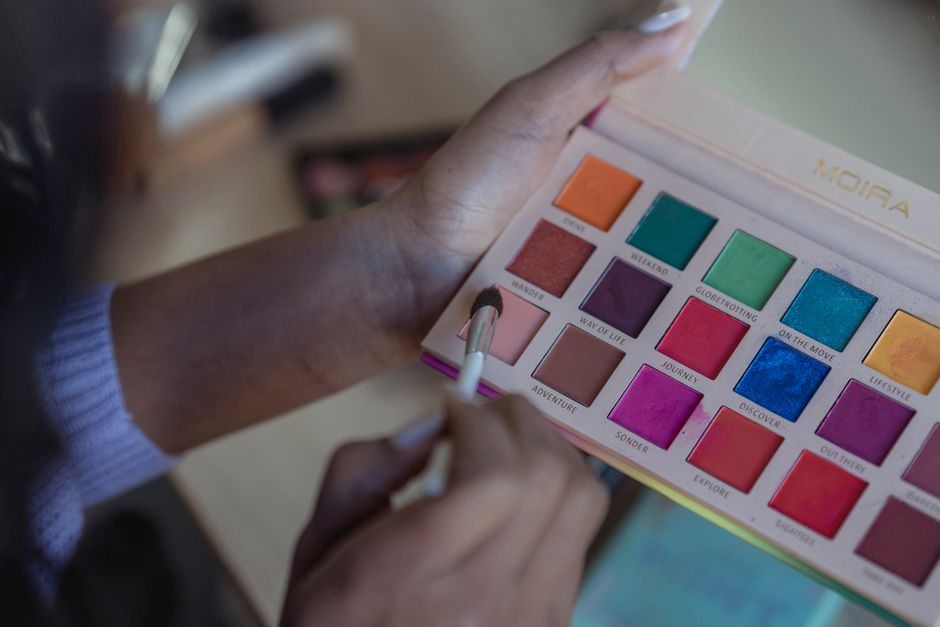
Moving from summer to autumn makeup can be a gradual adjustment rather than a complete change of face. The colours you enjoyed with bare shoulders and bright daylight can still work beside a jumper or a darker dress. What often needs attention is their depth, placement and finish. Start with the makeup you already own, then change one element at a time until the overall effect feels comfortable with your clothes and the light around you.
Look at your makeup in the light you actually use
A look that seemed balanced beside an open window on a sunny morning may appear different under office lighting or on an overcast afternoon. Before deciding that a colour has stopped suiting you, check your finished makeup in daylight and in the room where you will spend most of your time. Look at your whole face rather than inspecting each feature close up.
Pay particular attention to whether your base blends into your neck, whether your cheeks still have definition and whether your eye colour is visible when your eyes are open. These checks tell you more than a seasonal colour rule. You might need a lighter hand with bronzer, a slightly clearer blush or a little more definition around the lashes, while everything else stays familiar.
Recheck your base before adding more coverage
Your summer foundation or tinted moisturiser may still be useful, but its shade deserves another look as your natural colouring changes. Apply a small amount along the jaw and check the result in daylight once it has settled. A visible orange, pink or pale edge is a reason to reconsider the shade, rather than disguise the mismatch with powder.
If the colour still works, experiment with the amount before replacing the formula. Use a thin layer through the centre of your face and blend outwards, adding concealer only where you want it. Autumn makeup does not require an opaque base. Keeping some natural variation visible can make richer eye or lip colours feel easier to wear.
Adjust the finish where it matters
Think about separate areas of your face instead of choosing between an entirely matte or entirely dewy finish. You may like a soft sheen on your cheeks but prefer less shine beside your nose. Apply finishing products sparingly in those areas and check the result before adding more. If makeup catches on a dry patch, avoid repeatedly covering it with extra layers; simplify the application and let the skin settle.
Shift your existing colours by changing their intensity
You do not need a collection of autumn-only shades. Many summer colours become useful transitional colours when you apply them differently. A bright lipstick can become a soft stain, while a familiar bronze shadow can provide a gentle wash across the lid. Use lighter layers first so you can judge how much depth you want.
- Bright pink: try a small amount of lipstick blended within the lip line for a quieter version of the same colour.
- Peach blush: keep it fresh and sheer beside a muted eye rather than assuming it belongs only with summer clothes.
- Bronze shadow: use a thin wash and blend the edges well for subtle warmth.
- Brown pencil: add a little definition near the outer lashes without turning the whole eye look dark.
Only use products on the areas they are intended for. A lip colour is not automatically suitable around the eyes, and a face shimmer may not be labelled for eye use. You can create a coordinated effect through similar colours without using the same product everywhere.
Build softer definition around the eyes
If your summer routine relied on mascara alone, try adding one quiet shadow shade before reaching for a dramatic palette. Taupe, soft brown, muted plum or bronze can all provide definition, depending on your colouring and preferences. Pick a shade you already enjoy wearing and apply it lightly enough that you can still see the shape of your eyelid.
Check the shadow with your eyes open and your face relaxed. Blend any obvious edge with a clean brush, then decide whether you need anything more. A small amount close to the lashes may give you enough depth for daytime. You can leave the lower lash line bare if extra colour there makes the look feel heavier than you intended.
Balance shimmer with the rest of your face
Shimmer can stay in your routine as the season changes. Try keeping it in one area, such as the mobile lid, while using softer finishes elsewhere. If a reflective shadow already catches the light, you may prefer a quieter cheek finish. This is a way to control the overall effect, rather than a rule about which textures belong in autumn.
Let your clothes guide the balance
A higher neckline, heavier fabric or deeper clothing colour can alter how your makeup reads. Put on your chosen top before making the final adjustments. A charcoal jumper might make a sheer pink lip stand out beautifully, while a patterned dress may already supply enough colour that you prefer a simple eye and neutral lip.
You do not have to match your makeup to your outfit. Instead, look for a comfortable relationship between them. If everything feels muted, add one clearer colour. If several elements compete for attention, soften one. Your favourite summer blush might be the detail that keeps a dark outfit feeling lively, so give familiar products a chance before setting them aside.
Make small comparisons before buying anything
Try your usual makeup on one day, then change just one feature the next time you wear a similar outfit. You could soften your lip colour, deepen your lashes or reduce the sheen of your base. Changing everything together makes it harder to identify what you actually like. A quick note about the combination can help you repeat a successful look.
If you notice a genuine gap, describe it precisely before shopping: perhaps your base shade no longer blends, or every eye colour you own is more reflective than you want. That gives a purchase a clear purpose. A new season by itself is not a reason to replace products that still suit you and remain within their labelled period of use.
Keep the routine comfortable and repeatable
Choose a simple combination for ordinary mornings: a well-matched base where needed, a little cheek colour, softly defined eyes and a lip finish you enjoy. Leave room to vary one feature with your mood or outfit. The most useful transition is one you can repeat without needing extra time or a crowded makeup bag.
Stop using a product if it causes irritation, and seek advice from a pharmacist or GP if problems persist. Otherwise, let comfort and your reflection guide the pace of change. Keep the summer colours you love, adjust their intensity when it feels right, and allow your autumn look to develop through small, useful choices.