

A ponytail that slips or feels uneven often gets one automatic correction: another tug. Yet tightening the tail does not solve every problem. The elastic may be the wrong size, the base may sit in an awkward position or one front section may be carrying more pull than the rest.
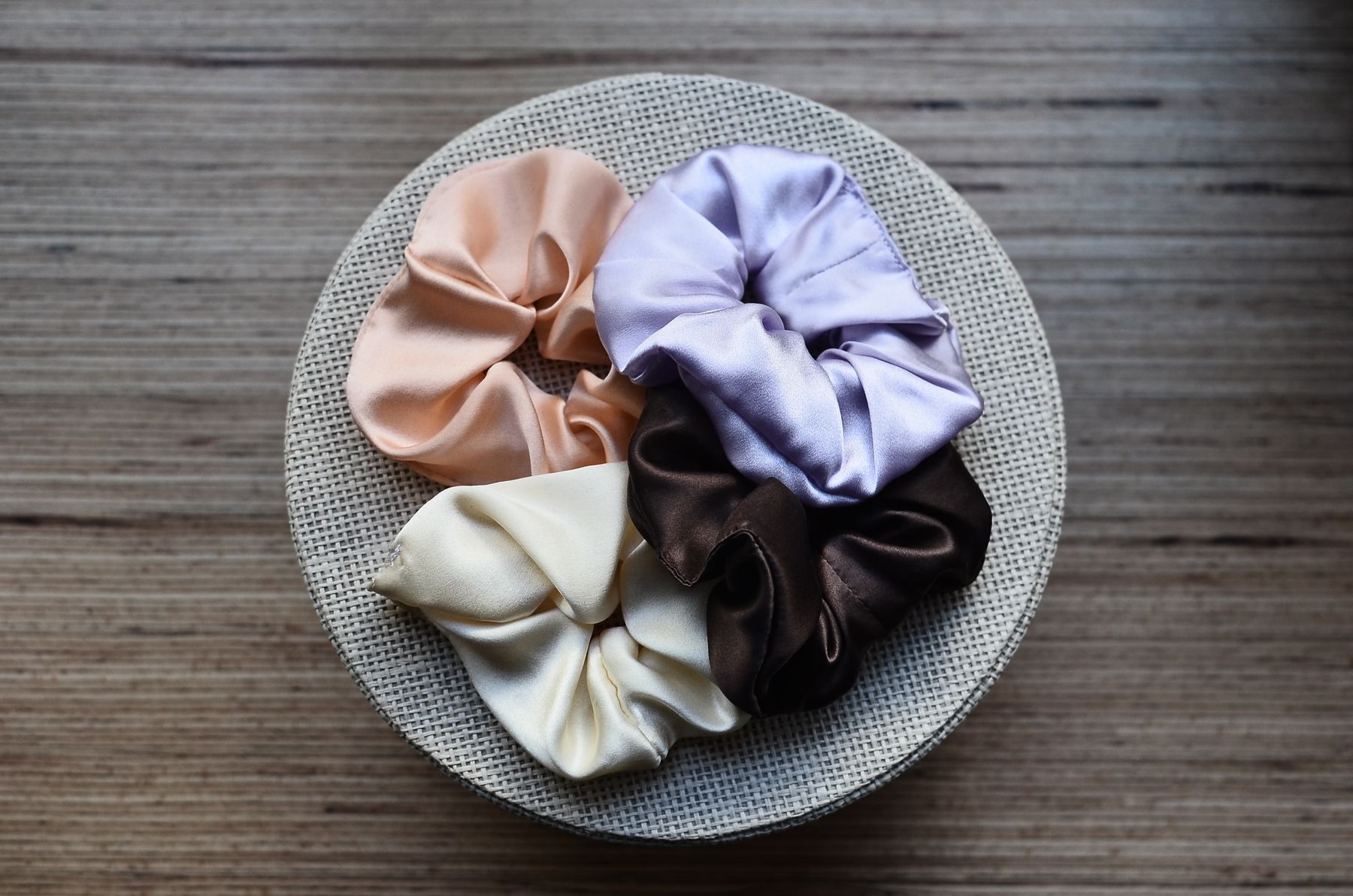
A comfortable ponytail starts with a manageable placement and an accessory that suits the amount of hair. There is no need to force every short layer into a perfectly smooth outline. Build the style around how it feels during ordinary movement as well as how it looks in the mirror.
Choose the height for the day ahead
A high ponytail, a middle placement and a low nape placement create different shapes. They also interact differently with coat collars, headphones and chair backs. Before gathering the hair, think about where the base will sit when you are actually working, walking or traveling.
Try the proposed position with one hand holding the bundle loosely. Look up, down and to either side. If the nape feels stretched or the front sections pull immediately, change the height before adding an elastic. It is easier to adjust an unfinished ponytail than to loosen a tightly secured one evenly.
Use the tie as a fit decision
Inspect the elastic for rough joins, exposed metal, stretched sections or snagged hairs. A smooth, intact tie is easier to remove than one that catches. Choose a size that holds the bundle with a reasonable wrap pattern rather than requiring many tight turns.
If the final loop takes considerable force, do not assume it is necessary. Try a different tie or a slightly different gathering method. A bulky scrunchie is not automatically comfortable, and a thin elastic is not automatically unsuitable; the fit around your specific bundle is what matters.
Keep more than one useful size
A small partial ponytail and a full ponytail may need different ties. Using the same elastic for both can leave one too loose and the other too tight. Keep a modest selection with clear jobs rather than a large bowl of stretched accessories that all behave unpredictably.
Gather without flattening every section
Bring the hair toward the chosen position with your hands or a suitable brush, working gently. Do not drag tangled lengths into the base. If a section resists, release it and address the tangle first. Keep the hand holding the bundle steady while the other arranges the surface.
Secure the elastic close enough to hold but without making the scalp feel pulled. After the last wrap, pause before splitting the tail and yanking the halves apart. That familiar movement can tighten the base abruptly and disguise an uneven gathering rather than improving it.
Adjust the section that actually feels wrong
If one temple feels tighter, loosen or redo that part of the gathering instead of pulling the whole ponytail upward. A shorter layer can remain softly outside the tie. Use a suitable small clip if needed, but avoid stretching it backward solely to make the outline look identical on both sides.
- Check the front with your head upright.
- Check the nape while looking slightly down.
- Notice whether the elastic pinches or catches hair.
- Take the style down if it feels painful or uncomfortable.
A relaxed surface can still look intentional. The goal is an evenly gathered shape, not a rigid shell. If the style needs constant tightening to look acceptable, reconsider its placement or the tie rather than repeating the same correction all day.
Consider the finished tail as well as the base. A very long or heavy tail may feel different as you walk than when you stand at the mirror. Try a lower placement or a different arrangement if movement makes the original style uncomfortable.
Remove the tie without dragging it through
Support the base with one hand and unwind the loops with the other. Avoid pulling the entire elastic down the length of the ponytail in one motion, especially if loose hairs are caught around it. Take a moment to free those strands before putting the tie away.
After wearing the style, note what actually worked: a lower position, a larger tie or a little freedom around the face. That information is more useful than a strict rule about the ideal ponytail height. A dependable everyday style should be easy to secure, comfortable to wear and straightforward to release.