
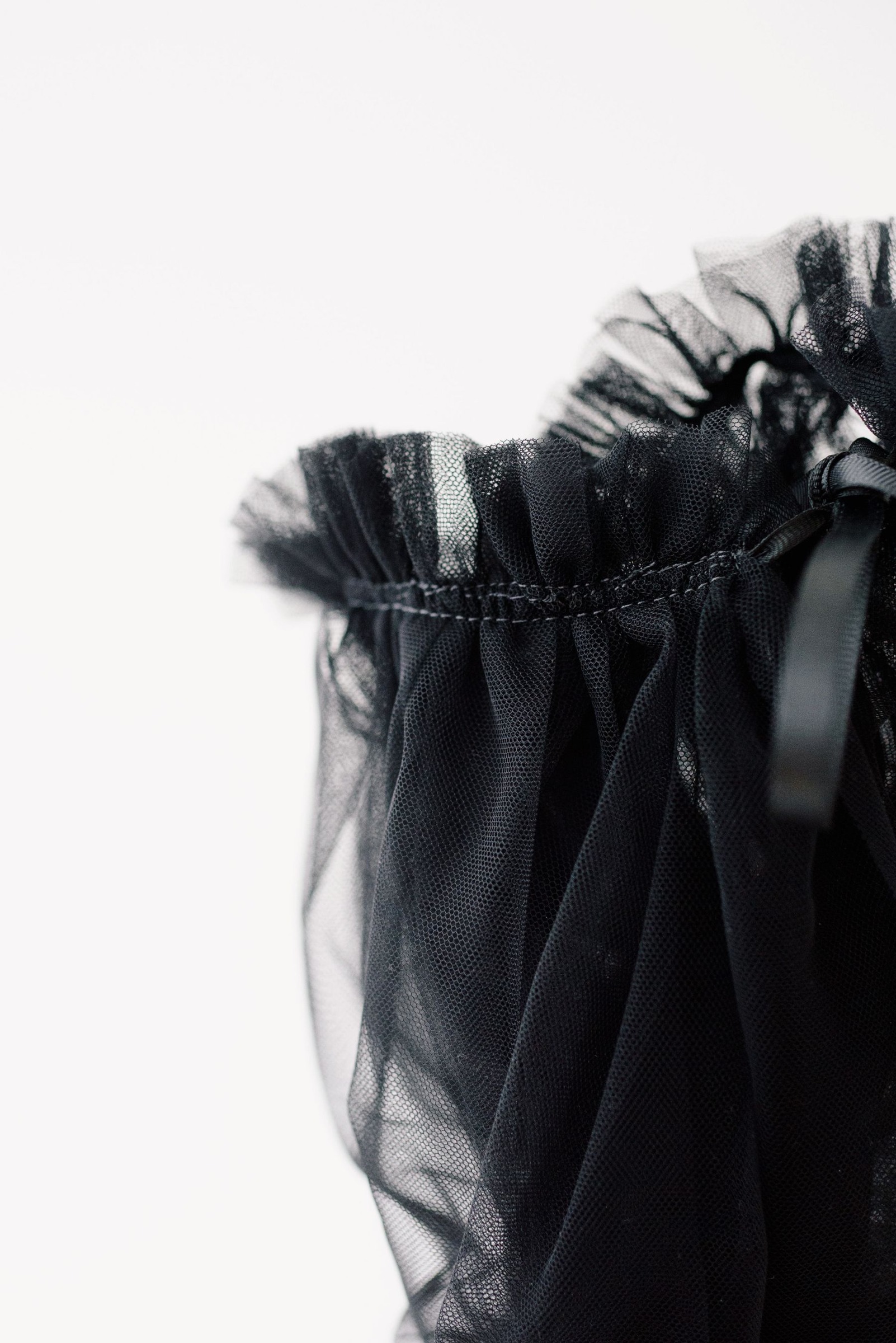
A dress that appears opaque in a dim room may reveal seam allowances, pocket bags or underwear in brighter light. That does not automatically make it unusable. First work out what is showing and where, then decide whether a different underlayer solves the problem without adding unwanted bulk or changing the way the dress hangs.

Transparency involves fabric thickness, weave, color, stretch and lighting. A pale dress is not always sheer, and a dark one is not always opaque. Holding fabric in front of a window gives one clue, but wearing the garment provides more useful information because its shape and tension change on the body.
Make the first check with the intended underwear
Put on the underwear you would realistically wear with the dress. Look in a full-length mirror with ordinary room lighting, then near a window with indirect daylight. Check the front, back and sides. Notice whether you see color contrast, an outline, a textured edge or the garment’s own internal construction.
Those are different problems. A contrasting color may become less obvious with underwear closer to your skin tone. A thick edge can remain visible regardless of color. Pocket bags and facing edges may show because the dress itself contains layers of different thickness. Replacing underwear will not necessarily hide those details.
Check the areas that stretch
Look across the chest, seat and upper thighs while standing and seated. A fabric can be reasonably opaque when relaxed but more open when stretched. If the dress becomes noticeably more transparent in specific areas and shows tension lines, compare a roomier size or cut before adding another layer beneath it.
For ribbed or loosely knitted dresses, inspect the spaces between stitches. A slip can provide coverage, but it also occupies room. If the outer dress already feels tight, adding a slip may increase the stretching. Judge coverage and fit together instead of treating the underlayer as an automatic solution.
Use a short lighting sequence
- Start with normal indoor light rather than a dark corner.
- Check indirect daylight from the front and side.
- Turn so the light is behind you and inspect the outline.
- If photographs are part of the occasion, test the camera lighting you expect to use.
Choose the underlayer by the area needing coverage
A skirt slip may be sufficient when only the lower dress is sheer. A full slip adds coverage through both bodice and skirt, but its neckline and armholes must sit within the dress unless you want them visible. Try the complete combination rather than comparing the pieces on hangers.
Choose a smooth underlayer that has enough room to move without clinging tightly or folding into ridges. A closer skin-tone color can reduce contrast beneath pale fabric, but there is no single shade that works for everyone. Compare actual colors on your body instead of relying on a product label describing one universal neutral.
Look for new edges introduced by the slip
A slip can solve transparency while creating a visible hem, strap or waist edge. Check it while walking and sitting, not just standing. If the outer skirt lifts while the slip stays still, you may see its lower edge. If the slip rides upward, the intended coverage may disappear during wear.
Inspect the back too. Adjustable strap hardware and thick seams can show through fluid fabric. A smoother construction may work better than a tighter fit. The slip should be a useful layer, not a second garment you need to keep rearranging underneath the first.
Decide what kind of visibility you accept
Some dresses intentionally show a lining boundary, textured weave or layered outline. You may like that effect. Separate a deliberate sheer design from an unexpected view of underwear or pocket bags. The question is whether the result matches how and where you intend to wear the dress.
Finish with a brief movement check in the chosen lighting: walk, turn, sit and stand. If the solution stays comfortable and provides the coverage you want, note the exact underlayer for that dress. If it still requires several corrective layers or constant attention, choose a more opaque fabric or a dress with a better integrated lining.
Repeat the check with any outer layer removed if you expect to take it off during wear. A cardigan can hide side transparency during a quick try-on, leaving you unaware that the dress alone provides a different level of coverage.