
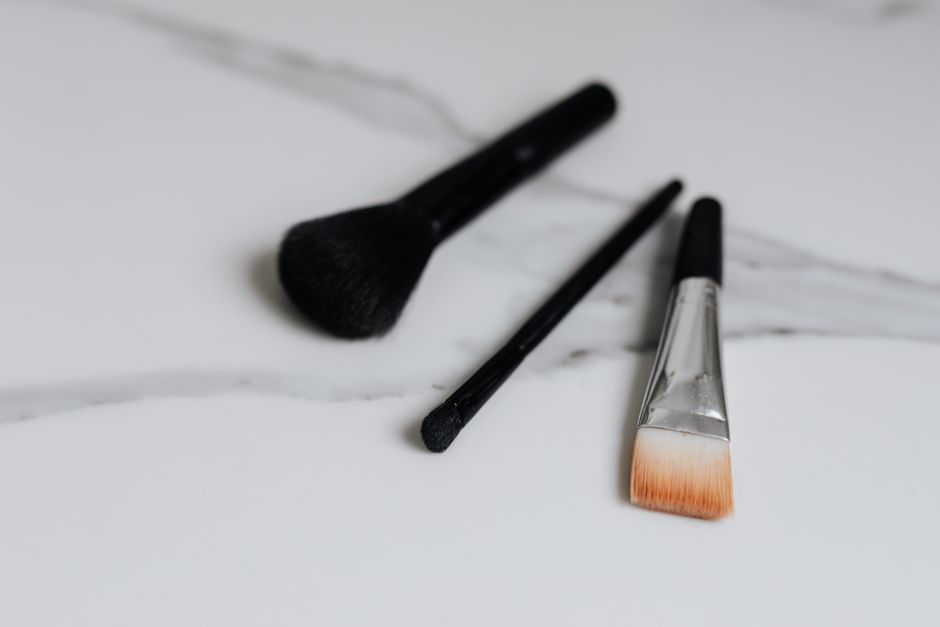
A makeup bag can quietly become a collection of half-used tubes, loose lids and colours you have forgotten you own. Spring-cleaning your makeup bag gives you a chance to check what is still suitable to use, clear away spills and make your everyday favourites easier to find. You do not need matching containers or a fresh set of cosmetics. Start with what you have, work through it carefully and let the empty space stay empty.
Empty everything before making decisions
Choose a clear, washable surface and lay down a clean towel. Empty every pocket, including zipped sections where pencil shavings, hair grips and small samples tend to gather. Check any handbag where you regularly leave a lipstick, too, so you can see the whole collection together.
Keep food and drinks away from the sorting area, wash your hands and have a rubbish bag ready. Separate cosmetics from brushes, sponges and unrelated bits. Put leaking items on a washable tray so they cannot spread over everything else. Avoid opening every product at once: inspect each one as you reach it.
Check labels and opening dates
Look for an expiry date and any instructions about use after opening. An open-jar symbol with a number followed by M indicates a period in months after opening. Follow the information on the individual product rather than assuming that all mascaras, foundations or lipsticks last equally long.
If you remember when you opened something, compare that with its label. A small note on the packaging can make future checks easier, provided it does not cover important information. For products already in use, be honest about what you remember. Guessing a recent opening date does not make an old tube more dependable.
Notice changes in condition
Set aside anything with an unexpected change in smell, colour or texture, damaged packaging, visible mould or a closure that no longer seals properly. Some formulas naturally need shaking, so check the instructions before treating separation alone as proof of a problem. Equally, a product looking normal does not override its expiry information.
Do not add water, saliva or another cosmetic to revive dried-out makeup. Do not test a questionable product on your face to see whether it is still usable. If you cannot establish that an old item is suitable to keep, letting it go is a sensible decision.
Give eye and lip products careful attention
Inspect mascara tubes, liquid liners and anything used around your eyes individually. Check their opening history and the manufacturer’s directions. Dried residue around a cap can prevent it closing properly, while a bent applicator or cracked tube is a practical reason to retire the item. Avoid pumping a mascara wand as you inspect it.
Keep personal cosmetics personal, especially eye and lip products. If something was used during an eye infection, follow advice from a pharmacist or GP about disposal and returning to makeup. Cleaning the outside of a tube does not clean the formula inside it.
Stop using a product that causes irritation. A clear-out is not an opportunity to try it again simply because it was expensive or barely used. Ask a pharmacist or GP about persistent skin or eye problems rather than trying to solve them by switching between products from the bag.
Separate useful makeup from wishful thinking
Once you have removed unsuitable items, sort the rest by how they fit your actual habits. A favourite everyday lipstick, an occasional evening colour and an unused shade bought for an imagined routine have different roles. You can keep variety without carrying every option whenever you leave home.
- Regular use: products you reach for comfortably and know how to apply.
- Occasional use: suitable items with a clear purpose, such as a bolder lip colour for evenings.
- Uncertain: products that need a label check or a decision about whether you will realistically use them.
Keep the uncertain group out of your everyday bag while you resolve it. Do not turn it into a permanent holding pile. Unwanted opened makeup is not automatically suitable to pass on; hygiene and the recipient’s ability to assess its history matter more than avoiding an empty space.
Clean the bag according to its material
Read the care label before washing the bag. A fabric pouch, coated lining and structured case may need different treatment. Shake loose debris into the bin, then remove remaining crumbs from seams with a soft brush. Take out removable dividers if the design allows it.
If the care instructions permit wiping, use a lightly damp cloth with a little mild detergent, then remove any detergent residue with another damp cloth. Avoid soaking cardboard inserts, glued sections or materials that cannot tolerate water. Do not assume a bag is machine washable because its outer fabric looks sturdy.
Leave the bag open until every pocket and seam is completely dry. If a lining stays sticky, flakes onto products or has damage that makes it difficult to clean, consider using another suitable washable pouch you already own. Replacing it need not become an excuse to replace its contents.
Deal with applicators before packing them away
Set used brushes and sponges aside for cleaning according to their care instructions. Keep water away from parts of a brush that should not be soaked, rinse washable tools thoroughly and allow them to dry fully with air circulating around them. Do not seal damp tools inside the freshly cleaned bag.
Inspect sponge surfaces, brush handles and attachments as you work. Replace tools that are deteriorating or cannot be cleaned properly. Washable does not mean endlessly reusable. Keep clean applicators separate from used ones so yesterday’s brush does not rub against everything you have just sorted.
For packaging, wipe accessible exterior marks without allowing water or cleaner into the cosmetic. Avoid spraying cleaning products into palettes or tubes. Sharpen cosmetic pencils only as their instructions allow, using a suitable clean sharpener, and empty the shavings before putting it away.
Repack for the way you actually use makeup
Return closed, dry products to the bag without forcing them together. Put small items where you can see or reach them, and protect brushes from being crushed. Keep occasional-use cosmetics elsewhere in suitable storage if carrying them makes the pouch crowded. Follow product storage directions and avoid leaving makeup beside a heater or in a hot car.
Before buying replacements, write down the genuine gaps left by the clear-out. A discarded product does not always need a successor, particularly if you rarely used it. Check that list against the suitable makeup you already have, then replace only what supports your routine.
Make the next tidy-up smaller by closing lids properly, removing leaks promptly and recording opening dates as you start new products. When you can find what you need without rummaging, the bag is doing its job. A clean pouch with a useful selection leaves you ready for an ordinary morning, using the makeup you enjoy.