
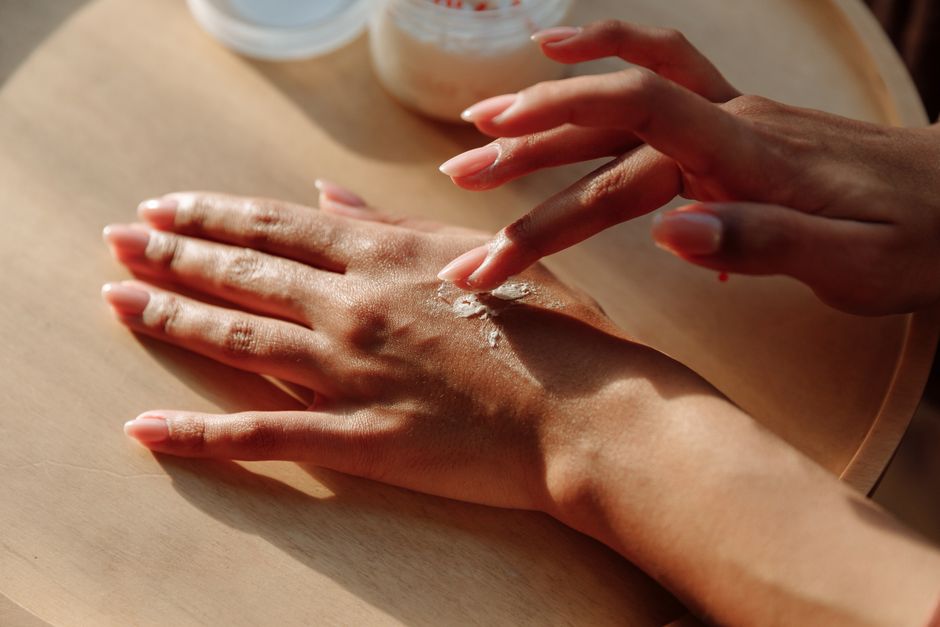
Dry winter skin can make getting ready feel uncomfortable: your cheeks feel tight after washing, your shins look flaky beneath tights, and a favourite jumper suddenly seems scratchy. Caring for Dry Winter Skin on a Budget starts with making everyday habits gentler and choosing a small routine you can maintain. You do not need a separate bottle for every patch of skin. Focus on comfortable washing, regular moisturising and reducing the friction that leaves already dry areas feeling worse.
Notice when your skin feels uncomfortable
Before buying anything, notice when dryness bothers you most. Is your face tight immediately after cleansing? Do your legs itch after a hot shower? Does a rough neckline rub the same area all day? These observations can help you make a useful change instead of adding another product without knowing what it needs to do.
Keep the focus on comfort rather than achieving perfectly smooth skin. Skin naturally has texture, and a little visible dryness does not mean your entire routine has failed. Equally, persistent itching, soreness or cracking deserves advice from a pharmacist or GP rather than repeated attempts to cover it with cosmetics.
Make washing a gentler starting point
A steaming shower may feel inviting after a cold journey home, but try comfortably warm water and avoid lingering. Cleanse gently with your fingertips rather than scrubbing with a rough cloth. Pat yourself dry with a soft towel, paying attention to areas where rubbing has become an automatic habit.
If your cleanser or shower gel leaves your skin feeling stripped, reconsider it before buying extra treatments. Choose a gentle, fragrance-free option suitable for dry skin. A pharmacist can explain whether an emollient wash substitute would suit you and how to use it. Follow its instructions, including any advice about rinsing.
You can also simplify what happens around washing. Put your towel and moisturiser within easy reach before you begin, so applying cream does not become another task you postpone while cold and half dressed. Small practical changes often make a modest routine easier to repeat.
Choose moisturiser for how you will use it
Start with a plain, fragrance-free moisturiser that feels comfortable on your skin. Elaborate packaging, a luxurious scent and a long list of fashionable ingredients do not tell you whether you will enjoy applying it every day. Read the directions and check whether it is intended for the area you want to use it on.
Match the texture to the job
A lighter cream may be convenient before getting dressed, while a richer texture may suit particularly dry body areas when you have time to let it settle. There is no need to buy several textures immediately. Try your existing suitable moisturiser consistently, then decide whether a particular area needs something different.
If you are considering an unfamiliar formula, try it on a small area first, following any testing advice on the label. This cannot guarantee that a reaction will not happen later. Stop using a product that causes irritation, and ask a pharmacist for help if you are unsure what to try next.
Spend on something you can finish
Compare pack sizes and the amount you are likely to use, rather than assuming the biggest container is automatically better value. An oversized tub is wasteful if you dislike its texture. A suitable product you apply willingly is a more useful purchase than a cupboard full of barely opened alternatives.
Build a short morning and evening routine
In the morning, cleanse gently as needed, then apply your moisturiser. Give it time to settle before getting dressed or applying make-up. Keep sun protection in your daytime routine according to the product instructions; cold weather alone is not a reason to put it away.
In the evening, remove make-up gently and cleanse without repeated rubbing. Smooth on moisturiser and give any uncomfortable body areas attention while you are already changing for bed. If you use prescribed skin treatments, follow their directions and ask a pharmacist how to fit moisturiser around them.
- Keep essentials accessible: put the products you use beside the place where you get ready.
- Use a simple cue: connect body moisturising with drying off or changing into nightwear.
- Change one thing at a time: give yourself a clear idea of which adjustment helps.
- Notice comfort: judge your routine by how your skin feels during ordinary activities.
Reduce rubbing from your winter wardrobe
Skincare does not end at the bathroom door. A coarse jumper, a stiff seam or tight tights can rub against areas that already feel sensitive. Try a soft, smooth layer underneath knitwear, and check whether a waistband or neckline presses on the same patch throughout the day.
Choose comfortable fits that let you move without fabric repeatedly dragging across your skin. Before replacing clothes, try adjusting the layers you already own. A softer top beneath a dress or a different pair of tights may make an outfit easier to wear without requiring a new wardrobe.
Wash clothing according to its care label and rinse detergent thoroughly. If you suspect a laundry product is contributing to irritation, consider a simpler fragrance-free option and seek advice if symptoms continue. Adding strongly scented softener to disguise a scratchy fabric is unlikely to solve the underlying discomfort.
Avoid purchases that complicate the problem
Flaky skin can tempt you to scrub harder, but rough exfoliation may leave it feeling more tender. Set aside abrasive scrubs and avoid adding strong exfoliating treatments while your skin is uncomfortable. Do not pick at loose flakes or try to polish them away before applying make-up.
Be cautious with homemade mixtures made from kitchen ingredients. Familiar foods are not automatically suitable skincare, and experimenting can create another source of irritation. The same applies to buying a complete matching collection because one item sounds promising. Keep your spending tied to a specific need you have actually noticed.
Keep regular care practical and safe
Handle products with clean hands and follow storage instructions. For an emollient in a tub, use a clean spoon or spatula rather than repeatedly dipping your fingers inside. Check expiry information before returning an old product to your routine, and discard anything that has changed unexpectedly in smell or texture.
Emollient residue on clothing and bedding can make fabrics catch fire more easily. Keep away from cigarettes, naked flames and other ignition sources when using these products. Washing fabric does not completely remove the risk. Creams can also leave slippery surfaces, so clean up spills promptly.
Know when to ask for help
Ask a pharmacist or GP about dryness that persists, keeps returning or disrupts your sleep. Seek prompt medical advice if skin becomes painful, hot, swollen, weepy or suddenly worse. You do not need to work out the cause yourself before asking.
A manageable winter routine should leave you with fewer uncomfortable moments and fewer unnecessary purchases. Begin with gentler washing, a suitable moisturiser and softer contact with your clothes. Keep what works, make thoughtful adjustments and let everyday comfort guide your next step.