
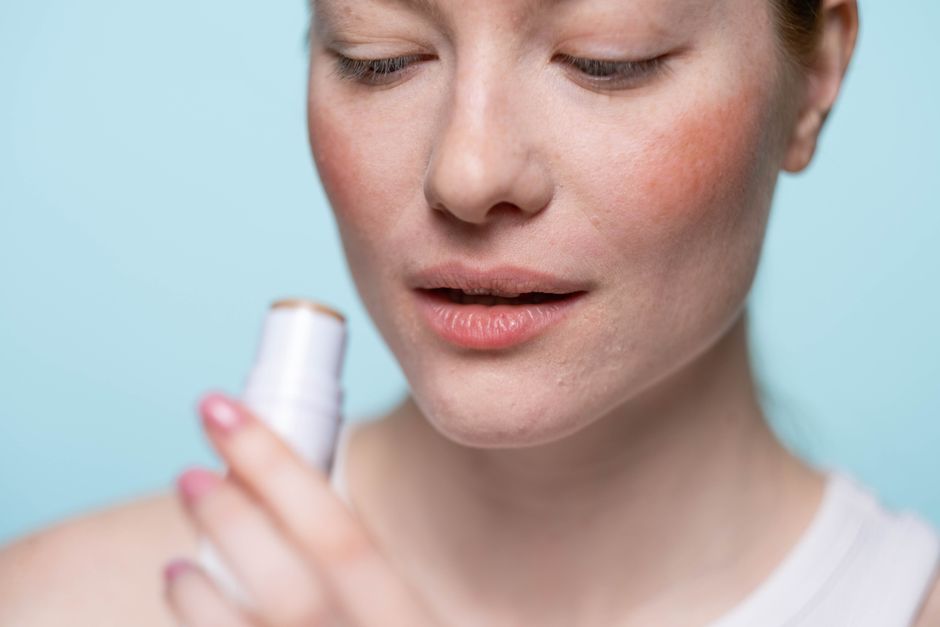
Cold weather can leave your lips feeling tight before you have even taken off your coat. Wind outdoors, warm rooms indoors and the temptation to lick a dry patch can make everyday discomfort harder to settle. Caring for Lips in Cold Weather starts with a gentle routine you can repeat: protect them before going out, replenish that protection when needed and leave rough skin alone. You do not need an elaborate collection of treatments. A suitable balm and a few small changes to your habits are a practical place to begin.
Notice what makes your lips uncomfortable
Before adding another product, think about when the tightness appears. Does it start after a windy walk, while sitting beside a heater or shortly after applying a particular lip product? These observations can help you make useful adjustments without buying several things at once. Ordinary dryness can feel rough or tight, but persistent soreness, swelling or cracking deserves more attention than simply layering on more balm.
Check the skin around your mouth as well as the lips themselves. If discomfort extends beyond the lip edge, consider whether you have been licking that area or allowing skincare products to spread onto it. Keep a simple mental note of anything new in your routine. This is useful information to share with a pharmacist if the problem continues.
Choose a straightforward protective balm
Look for an unperfumed, unflavoured lip balm intended for dry lips. A simple formula is a sensible starting point when your skin feels sensitive. You do not need a strong scent, a cooling effect or a plumping sensation to make lip care worthwhile. Choose a texture that sits comfortably on your lips and that you are happy to use regularly.
Read the packaging rather than judging a balm by its name or appearance. Some products combine lip care with colour, fragrance or other cosmetic effects. If a product stings, burns or leaves your lips feeling more irritated, stop using it. A tingling sensation is not a reason to keep applying something uncomfortable, even if it promises softness.
Make the format fit your day
A stick or squeeze tube may be easier to use when you are out, especially if you cannot wash your hands first. A pot can work at home if you apply it with clean hands. Keep the cap secure and the applicator clean. The most useful choice is one you can apply hygienically without having to hunt through your bag each time.
Build protection into ordinary moments
Apply balm before heading outside, giving your lips a comfortable covering rather than waiting until they feel sore. Keep it somewhere that fits your routine, such as beside your keys or in the pocket of your everyday bag. Avoid leaving it loose where fluff and dirt can collect around the opening.
Reapply when the covering has worn away, particularly after eating, drinking or wiping your mouth. Follow any directions on the packaging. You do not need to keep adding layers simply because the balm is within reach. Pay attention to comfort and whether the product is still present, rather than turning application into a constant habit.
- Before going out, apply your chosen balm and check that your scarf is comfortable.
- After a meal, gently clear away food residue before reapplying if needed.
- When you return home, notice whether warmth or rubbing is making soreness worse.
- Before bed, apply a comfortable layer with clean hands or a clean applicator.
Break the licking and picking cycle gently
Licking dry lips can feel soothing briefly, but it can leave them feeling drier as the moisture evaporates. When you notice yourself doing it, reach for your balm instead. There is no need to feel frustrated with yourself; it is often an automatic response to tightness. Keeping lip care close at hand makes the alternative easier.
Resist pulling at loose flakes, even when they look ready to come away. Picking can catch attached skin and leave a tender patch. Avoid biting rough areas or rubbing them with your sleeve. If you tend to touch your lips while concentrating, putting your balm nearby can act as a reminder to leave the skin alone.
Skip scrubs while lips are sore
Sugar scrubs, toothbrush buffing and vigorous rubbing can make already uncomfortable lips more tender. You do not have to create a perfectly smooth surface before applying balm. Clean gently with lukewarm water when necessary, then pat rather than drag a towel across your mouth. Let loose skin shed without trying to speed things up.
Reduce friction from winter clothing
A scarf can shelter your lower face from wind, but a scratchy edge rubbing against your mouth may be uncomfortable. Arrange it so that it offers coverage without repeatedly scraping your lips. If it becomes damp around your mouth, adjust it or change to a clean, dry one when practical.
Think about comfort when pulling on a high-neck jumper, too. Give the neckline enough space to pass your face without dragging across sore skin. These small adjustments matter on days when even light contact feels irritating. Indoors, move away from direct blasts of hot air if they leave your face feeling tight.
Keep daytime sun protection in mind
Cold temperatures do not remove the need to consider sun exposure. For time outdoors in daylight, choose a lip product labelled with SPF and UVA protection, and follow its application and reapplication instructions. A winter walk can still involve exposed skin, particularly when you spend longer outside than expected.
Choose protection you find comfortable enough to wear. If a sun-protective lip product irritates your lips, ask a pharmacist about a suitable alternative. A scarf provides useful shelter from weather, but it should not be your only consideration when planning sun protection.
Keep the rest of your routine gentle
When washing your face, avoid working exfoliating products or other potentially irritating skincare onto your lips. Rinse away toothpaste residue gently after brushing, without scrubbing the corners of your mouth. If you notice soreness after introducing something new, stop the suspected cosmetic product and seek advice if symptoms do not settle.
Let comfort guide your makeup choices while your lips recover. You can leave lip colour out of your routine for a while, particularly if applying it involves rubbing or it feels drying. Drink regularly as part of your normal day, but do not expect extra water alone to resolve persistent cracked lips.
Know when to ask for help
Speak to a pharmacist or GP if your lips remain sore, repeatedly split or fail to improve with gentle care. Cracks at the corners, recurring swelling or a patch that does not heal should also be assessed. Seek prompt advice if lips become hot, increasingly painful or swollen, or you notice discharge. Do not assume every lip problem is caused by cold weather.
For everyday winter care, aim for a routine you can maintain comfortably: a suitable balm, protection outdoors and less rubbing, licking and picking. Keep track of what feels soothing and what causes irritation. Giving your lips consistent, gentle attention is more useful than repeatedly changing products in search of an instant fix.