
A mirror shows how a dress looks for a moment. A movement test shows whether it suits the things you actually do. Carrying a bag, reaching a shelf and getting into a chair can reveal restrictions that a still photograph misses. You do not need an elaborate fitting routine, just a few ordinary actions performed at your normal pace.
Choose actions relevant to your day. A dress for a seated meal has different demands from one worn while moving between errands. Use your usual underwear and suitable shoes, fasten every intended closure and remove the tags only after deciding to keep the garment. Follow any return conditions while testing a new purchase indoors.
Begin without an outer layer or bag
Stand comfortably and let the dress settle. Check where the neckline, waist seam, side seams and hem sit. This is your starting reference. If something already pulls or twists, note it before moving. Otherwise you may blame a later action for a problem that was present from the beginning.
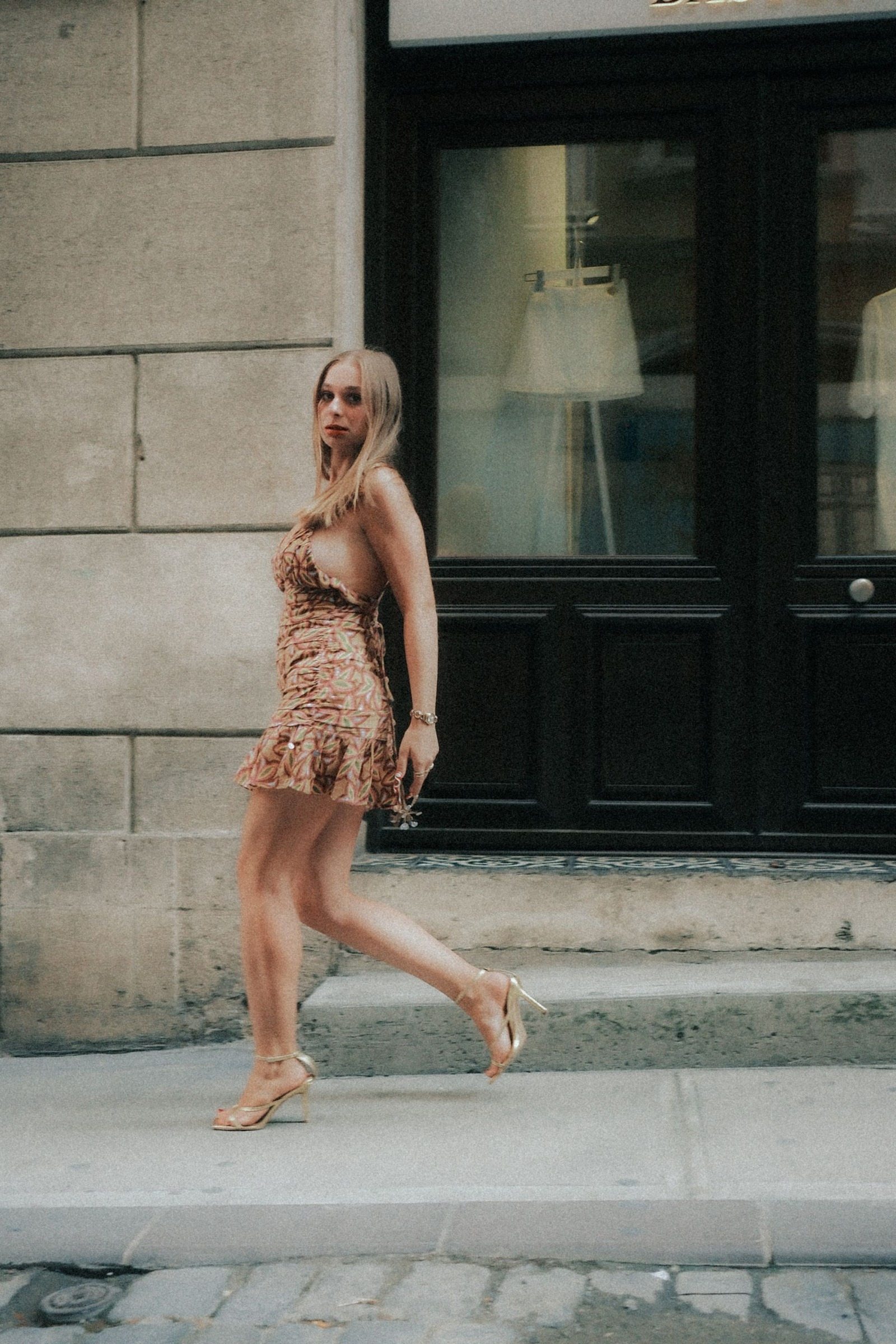
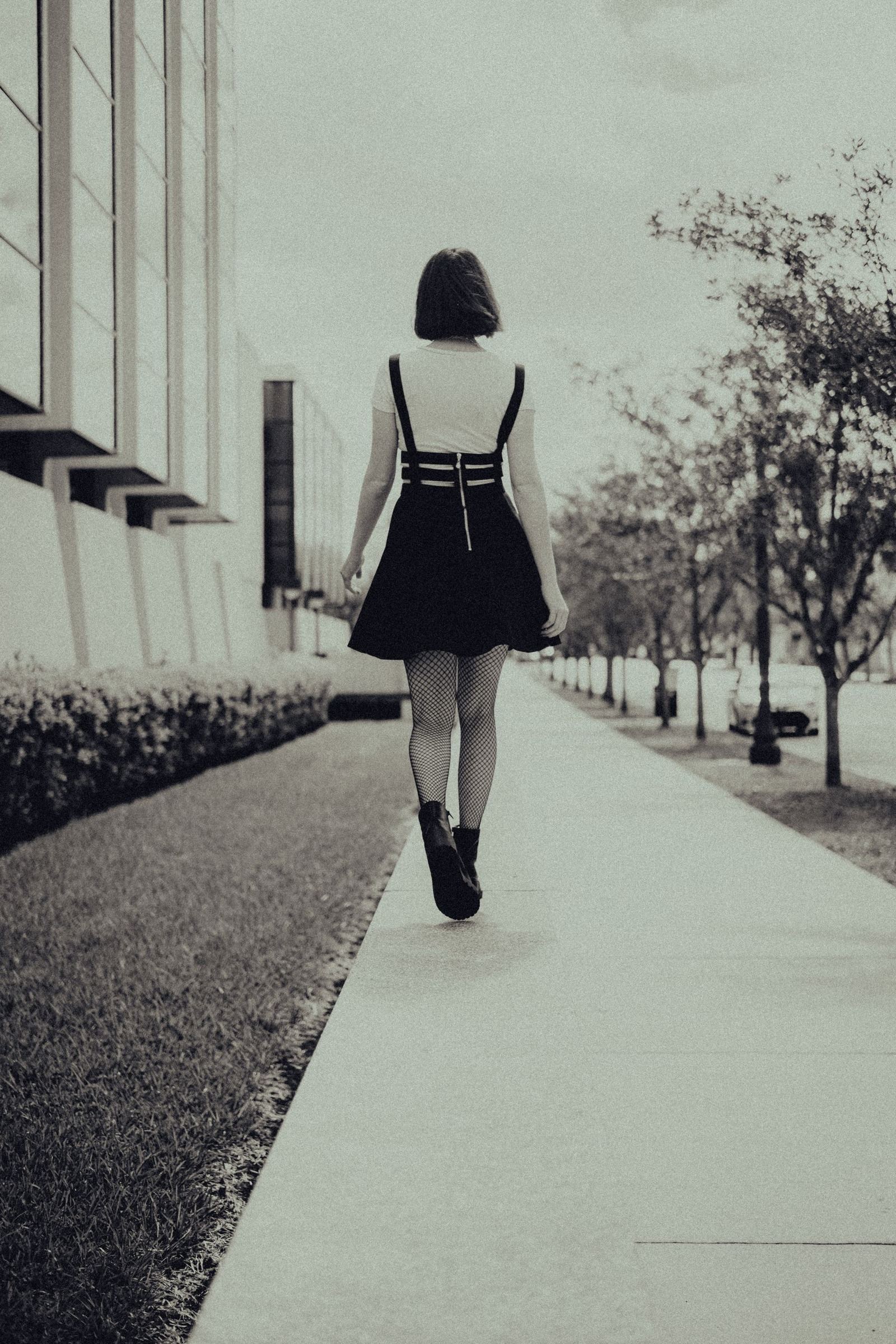
Take several normal steps, turn and walk back. Avoid shortening your stride to keep the skirt still. Notice whether the hem catches between your knees, the skirt rotates or a lining climbs. Stop and inspect the cause rather than repeatedly smoothing the fabric as you walk.
Reach where you normally reach
Move your arms forward as though setting something on a table. Then reach toward a comfortable shelf height. You are checking useful movement, not the maximum stretch of the garment. If an armhole presses, a sleeve pulls tightly or the bodice rises sharply, compare the cut with the action you need it to allow.
Lower your arms and see what happens without adjusting anything. A dress that shifts temporarily and settles again behaves differently from one that leaves the neckline high and the waist bunched. Note which area fails to return. That detail is more helpful than describing the whole garment as uncomfortable.
Make the test easy to repeat
- Walk at your normal stride for several steps.
- Reach forward and upward without forcing the seams.
- Sit on a stable chair, then stand normally.
- Use a low step and handrail to check skirt clearance.
- Turn and reach for your bag at your side.
Add the tasks that matter most
If you spend time at a desk, sit with your arms positioned as though typing. A sleeve that feels fine with arms down may pull across the back in that position. If you regularly carry a child or bulky objects, consider the room your arms and shoulders require, using a light object for a safe indoor comparison.
For stairs, check that you can see and clear the step without fabric slipping beneath your shoe. Do not use a moving escalator as a fitting experiment. A stationary low step with support gives useful information without introducing unnecessary risk. A skirt that needs lifting may be unsuitable for tasks where both hands are occupied.
Introduce your real bag and outer layer
Put on the jacket or cardigan you intend to use, then repeat the forward reach. Restrictions may come from stacked sleeves rather than the dress alone. A bag strap can shift a neckline, catch a tie or pull a loose bodice sideways. Carry the bag as you normally would rather than holding it away from the dress.
Check pocket access too, even if you do not plan to fill the pockets. Reaching inside should not open a wrap panel or strain a button front. If adding a phone changes the skirt’s shape, decide whether the pocket is suitable for that item or simply for resting a hand.
Record the failure, then change one thing
Use specific observations: the lining catches at the knees, the sleeve restricts forward reach, or the hem stays raised after sitting. Try one sensible change, such as removing the jacket or using a smoother underlayer, and repeat the relevant action. Several simultaneous changes make it harder to know what helped.
Keep a dress when it supports the movement you need with an acceptable amount of adjustment. Not every garment must handle every task, but its limitations should match its purpose. A short list of successful actions gives you a more dependable decision than a flattering pose that requires you to remain completely still.