
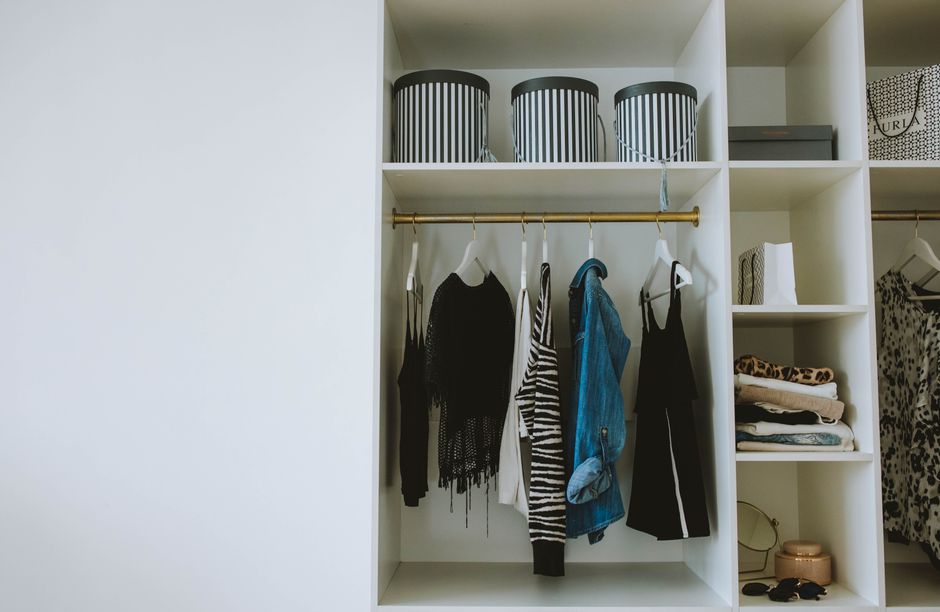
A wardrobe reset can make getting dressed feel calmer, especially when your rails are crowded but the clothes you reach for seem to be missing. Reorganising does not have to mean replacing everything or giving away half your wardrobe. The useful aim is to make the clothes that suit your daily life easy to see, easy to reach and easy to put away. Start with what you own, give yourself a manageable area to tackle, and build a system you can maintain on an ordinary busy morning.
Decide what needs to work better
Before taking anything out, notice what frustrates you. Perhaps trousers slide off their hangers, your favourite jumper disappears beneath other knitwear, or dresses get crushed against coats. These are practical problems with practical solutions. Writing down the main difficulties helps you avoid spending an afternoon arranging clothes beautifully without making them more accessible.
Think about how you actually get dressed. If you choose trousers first, they need a clear, reachable section. If you wear dresses most days, give them enough hanging space. Your wardrobe should reflect your current routine, including working from home, commuting, caring responsibilities and relaxed days, rather than an imagined version of your life.
Work through one section at a time
Emptying every drawer and rail onto the bed can leave you with a bigger task than you can finish. Instead, start with one category or a single shelf. Finish sorting and returning that section before moving on. Keep a clear place for clothes you are assessing so they do not become mixed with laundry.
Have a few bags or boxes ready, using containers you already own. Label them clearly so decisions do not get lost as you work.
- Keep here: clothes you wear and can put straight back.
- Needs attention: pieces requiring cleaning, repair or a decision about alterations.
- Move elsewhere: suitable clothes that belong in another storage area.
- Pass on: wearable items you have decided to release.
Keep rubbish separate from anything that could be passed on. Check local collection requirements before setting aside damaged textiles, as acceptance varies.
Assess clothes for your life now
Handle each piece rather than judging a whole pile at once. Ask whether you wear it, whether it feels comfortable and whether it serves a purpose you still have. Something does not need to be worn constantly to deserve space. An occasional formal dress or a practical waterproof may earn its place through usefulness.
Try on the uncertain pieces
If you cannot remember why you avoid an item, try it on with the underwear you would normally wear beneath it. Sit down and move around. You may find that a waistband feels uncomfortable or that a top needs more adjustment than you want to manage. Record the actual issue instead of returning it to the rail with a vague promise to wear it.
Keep clothes that fit your body comfortably now in your main dressing area. If you want to retain other sizes, store them separately where possible. This makes everyday choices clearer without forcing a permanent decision about pieces that carry meaning or may become useful again.
Give undecided items a boundary
A small holding box can help when you are unsure. Add a note explaining what needs deciding and set a date to revisit it. Keep the box limited to the space available. If uncertainty simply moves into several overflowing bags, you have relocated the clutter rather than resolved it.
Separate repairs from ready-to-wear clothes
A missing button or loose hem can make an otherwise useful garment unavailable. Gather these pieces together and list the work each needs. Distinguish a small repair you can realistically complete from a more involved alteration that requires advice. You can then decide whether the effort makes sense for that particular item.
Keep repair items somewhere visible enough to remember, but away from the clothes you can wear immediately. Set yourself a manageable next action, such as finding the spare button or asking about a repair. Avoid keeping uncomfortable clothes indefinitely because they might be transformed one day.
Arrange the space around easy access
Once you know what is staying, look at the available rails, shelves and drawers before considering storage purchases. Leave enough room to move hangers and remove folded items without pulling everything apart. A tightly packed wardrobe is difficult to use even when every piece inside is wanted.
Hang pieces that benefit from hanging
Give dresses, shirts and other easily creased garments suitable support, following their care labels. Allow longer hems to hang clear of shoes and storage boxes. Check that hanger edges support shoulders without stretching them, and use existing hanging loops where appropriate. Fold heavy knitwear if hanging causes it to grow out of shape.
Make folded clothes visible
Use shallow stacks on shelves, with heavier pieces underneath lighter ones. In drawers, try placing folded tops upright if the fabric and drawer depth allow, so you can see each one. There is no need for identical folds: the useful test is whether you can take something out and return it easily.
Group by garment type first, then by colour if that helps you find things. A separate space for jumpers, trousers and tops usually makes more sense than a colour arrangement that mixes everything together.
Give small items a clear home
Belts, tights and scarves often cause disproportionate mess because they slip between larger garments. Use a spare box or a drawer section to keep each category together. Avoid winding delicate accessories tightly or catching them on rough edges. Store bags with their straps tucked safely inside or alongside them where suitable.
Keep shoes in pairs and allow damp footwear to dry appropriately before putting it away. Place frequently worn pairs where you can reach them without shifting a tower of boxes. If you retain shoe boxes, a simple written label can save repeated opening and searching.
Store occasional clothes with a purpose
Move genuinely seasonal or occasional pieces to less accessible space only when doing so helps. Clean and dry garments according to their care instructions before storage, and choose a suitable dry location. Label containers with useful descriptions, such as lightweight dresses or occasionwear, rather than a broad label that tells you little.
Keep a short note of what you have stored and where. This can prevent buying another cardigan or pair of trousers simply because the existing one has disappeared from view.
Make the reset easy to maintain
Finish by removing the bags you have already decided to pass on and putting every retained item in its chosen place. Keep a small space for clothes awaiting attention so they do not spread across chairs or shelves. Return clean laundry to the same sections, and adjust any arrangement that repeatedly becomes awkward.
After you have used the wardrobe for a while, review what still gets in your way. You may need fewer clothes on a rail, a lower shelf for everyday knitwear or a clearer home for accessories. The best result is a wardrobe you can use comfortably, with your favourite pieces visible and room to put them back.