
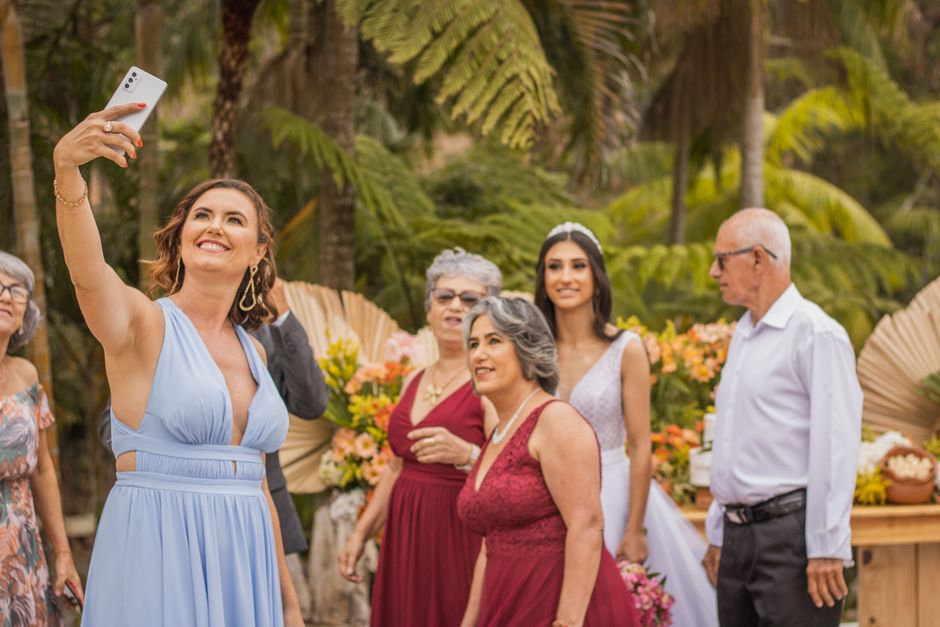
A wedding invitation can make an ordinary dress search feel surprisingly expensive. You want to look celebratory, respect the occasion and feel comfortable through the ceremony, meal and dancing. Yet buying a dress is only part of the cost if it also needs different shoes, special underwear or alterations. Wedding guest dresses on a tight budget are easiest to choose when you plan the whole outfit before you start shopping.
The aim is a dress that suits this particular wedding and works with enough of your existing wardrobe to keep extra spending manageable. A thoughtful choice can feel special without needing a completely new look from head to toe.
Start with the invitation, not the dress rail
Read the dress code and think about where you will spend the day. A formal evening reception calls for a different level of dressiness from a relaxed ceremony followed by lunch. Outdoor celebrations also bring practical questions: grass, uneven paths, wind and somewhere warm to sit once the temperature drops.
If the wording is unclear, ask the couple or the person handling guest questions before buying anything. It is much easier to narrow your search with clear guidance than to purchase a dress and later discover that it feels too casual or too elaborate.
- Check whether you are attending the full day or only the evening.
- Note any requested colours, themes or cultural dress expectations.
- Consider whether the ceremony requires covered shoulders or another specific detail.
- Think about travel, outdoor waiting and the journey home.
Set a budget for the finished outfit
Decide what you can comfortably spend across everything you still need. Include delivery, possible return charges, cleaning and any planned adjustments. If you are considering hiring a dress, check the full hire terms, return deadline and any additional charges before comparing it with buying.
Then gather the shoes, bag, outer layer and underwear you could use. This gives you a practical starting point. A dress that works with your familiar navy shoes and jacket may be a better purchase than a cheaper one that needs several extras.
Keep some room in your budget until you have tried the complete outfit. Spending everything on the dress leaves little flexibility if the weather changes or an essential repair is needed.
Give an existing dress a proper audition
Before searching for something new, look at occasion dresses you already own. Try each promising option with your intended accessories in daylight. A dress can feel different when it is clean, neatly pressed according to its care label and worn with a less familiar combination of pieces.
There is no need to retire an outfit simply because some guests have seen it before. For a wedding, suitability and condition matter more than novelty. If you feel comfortable repeating your favourite dress, you can put your available money towards whatever genuinely needs replacing.
Borrowing is another possibility if someone you know offers a suitable dress. Agree beforehand on cleaning, timing and what would happen if it were damaged. Leave enough time to try it on without relying on last-minute adjustments to a borrowed garment.
Choose details that make affordable dresses feel considered
Look for a clear design
A dress does not need lace, ruffles, beading and an elaborate neckline to feel appropriate. One appealing feature can be enough: a softly gathered skirt, a defined waist, an interesting sleeve or a lovely colour. Choose a feature you enjoy wearing, rather than something that needs constant arranging.
Simple shapes also make it easier to judge the garment itself. Check that seams lie neatly, fastenings work smoothly and the lining does not hang below the hem. Look closely at decorative trims, especially where they join the main fabric.
Consider colour in context
Choose a colour that works with what you already have and respects any guidance from the couple. Blue, green, pink or a mixed print can offer plenty of scope without requiring matching accessories. You do not need an exact colour match between your dress, bag and shoes.
Unless the couple has explicitly requested otherwise, leave white, ivory and strongly bridal-looking dresses out of your shortlist. With very pale prints, consider the overall impression: if the dress reads mostly white at a glance, choosing another option can remove the uncertainty.
Search with a shortlist you can actually use
Write down your essentials before browsing: the dress code, your spending limit, the pieces you want to reuse and any requirements such as sleeves or an ordinary bra-friendly neckline. Keep preferences separate from necessities so you can recognise a useful alternative.
Second-hand dresses can be worth considering, particularly for occasionwear, but inspect descriptions and photographs carefully. Ask for measurements and details of marks, repairs or missing fastenings where needed. For any purchase, check the returns policy before paying, especially if the item is reduced or sold privately.
Avoid buying an unsuitable size because the discount looks tempting. Straightforward shortening may be possible, but changing the shoulders, bodice or heavily decorated areas can become complicated. Get an alteration quote before committing if the dress depends on that work.
Decide whether a dress will last the whole celebration
During a try-on, imagine the actual wedding timetable. You may be seated for a long meal, standing for photographs and reaching across a table. Notice whether the dress feels secure and comfortable through those ordinary movements, particularly around the waist and upper body.
Check any practical compromises before removing tags. A long hem might be awkward on muddy ground; a delicate finish could catch against your bag; a neckline might require underwear you do not own. These details affect the real cost and usefulness of the dress.
If it only feels wearable while you hold your shoulders a certain way or keep tugging at the skirt, keep looking. You should be able to concentrate on the celebration once you are dressed.
Finish the outfit with a small number of choices
Put on the dress with your planned shoes, outer layer and bag before deciding whether anything is missing. Start with jewellery you already own. A patterned dress may need very little alongside it, while a plain dress can carry a favourite pair of earrings or a brooch.
Plan warmth as part of the outfit. Use a suitable jacket, cardigan or wrap that you can comfortably wear during the ceremony or reception, rather than treating it as something to hide. Check that your bag holds your essentials and closes properly.
Finally, follow the care label when preparing your dress and give yourself time to deal with loose threads or small repairs. Once the outfit is ready, stop browsing. A dress that fits the invitation, your comfort and your budget has already done its job.