
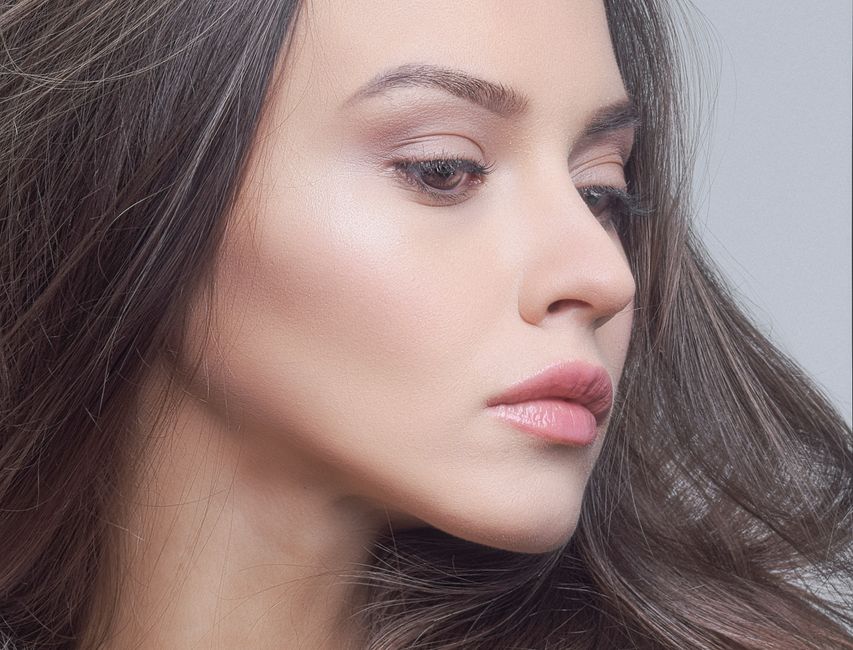
Budget-Friendly Beauty Looks for Casual Dresses
Many people assume a casual cotton dress needs barely-there makeup. I learned the opposite after years of wearing simple dresses to work, brunch, errands, and warm-weather events: the easier the outfit, the more useful a few deliberate beauty choices become. You do not need a full face or luxury products. You need the right amount of contrast, clean skin texture, and one feature that looks finished. The best budget-friendly beauty looks make a $25 dress feel personal without making your face look dressed for a different occasion.
How to Match Makeup to a Casual Dress
Start with the dress’s visual weight
My first rule is simple: match the strength of the makeup to the fabric and pattern, not to the price of the dress. A soft jersey dress can handle cream blush, brushed brows, and a tinted lip. A structured denim shirt dress looks better with stronger lashes and a defined lip line. A floral midi already has visual detail, so I keep the eyes quiet and bring color to the cheeks. The clear verdict: let one part of the outfit or face lead, and keep the rest calm.
| Casual dress | Best beauty focus | Color direction | Time needed |
|---|---|---|---|
| Soft jersey or knit | Fresh skin and cream blush | Rose, peach, soft brown | 8 minutes |
| Denim shirt dress | Lashes and shaped brows | Warm bronze, berry, caramel | 12 minutes |
| Printed floral dress | Cheeks or lips, not both | Use one shade from the print | 10 minutes |
| Black cotton dress | Defined lip or bright blush | Terracotta, red, plum | 15 minutes |
Use one focal point
Pick one feature before opening your makeup bag. If the dress has a busy print, choose lips or cheeks. If the dress is plain, a softly smudged liner can add shape without looking formal. I avoid matching makeup exactly to the dress because an orange dress with orange cheeks can look flat. A related shade works better: peach with coral, mauve with dusty pink, and brick red with camel or denim.
Why I Start With Skin, Not Foundation
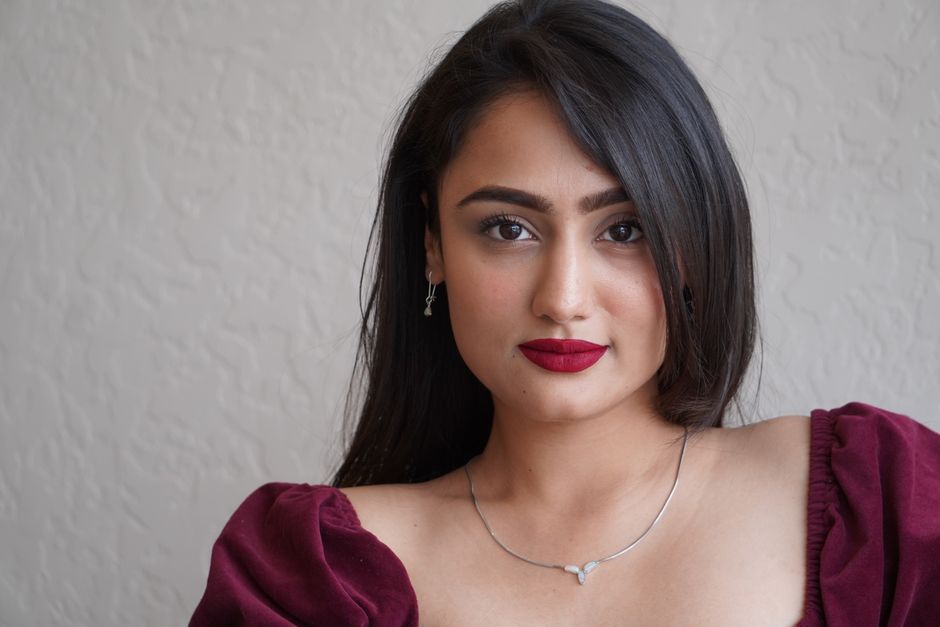
My strongest recommendation is to improve the skin finish before adding more coverage. Casual dresses expose the difference between natural texture and heavy makeup. A thick foundation can look polished under indoor lighting and dry, cracked, or obvious in daylight. I get a more expensive-looking result from thin layers, a little powder only where needed, and blush placed high on the cheek.
Keep coverage thin and targeted
Maybelline Fit Me Matte + Poreless costs about $9 and works well for combination skin when applied only through the center of the face. I use a damp sponge around the nose, chin, and forehead, then leave the outer cheeks lighter. For dry or normal skin, e.l.f. Hydrating Camo Concealer costs about $8 and works best as a spot concealer rather than a full mask. My verdict is clear: buy one complexion product that matches your real skin tone, not two shades chosen to create artificial color.
Add warmth with placement, not extra layers
Apply blush two finger-widths above the corner of the mouth and blend toward the temple. This placement lifts the face and suits the relaxed shape of a casual dress. Milani Baked Blush in Luminoso, usually about $11, gives a warm peach glow that works especially well with cream, white, olive, and denim. Use half a pump of base, one small dot of concealer under each eye, and a pea-sized amount of blush. More product will not create more freshness.
The Color Rules That Keep Casual Makeup Polished

Warm, cool, and neutral combinations
Color matching does not require a perfect undertone diagnosis. Look at the dress in natural light and ask if it reads yellow, blue, red, or balanced. Warm dresses such as camel, rust, cream, and olive usually look lively with peach, apricot, bronze, or terracotta. Cool dresses such as blue, lilac, charcoal, and icy pink suit rose, mauve, berry, and soft taupe. Neutral colors such as black, white, denim, and gray can take either direction, but the rest of the face should stay restrained.
I learned to test the color near the cheek rather than on the back of the hand. Hands often have a different tone from the face, so a shade that looks right there can turn orange or gray beside the eyes. Use a small amount, step away from the mirror, and look again after five minutes. If the blush disappears, add a second thin layer. If it looks like a stripe, blend the edges with the clean side of a sponge.
Why contrast matters more than matching
A casual look needs definition because simple clothing can leave the face visually blank. This does not mean sharp contour or dramatic eyes. It can be as small as darker lashes, a visible brow shape, or a lip one shade deeper than your natural color. With a light floral dress, I prefer a muted rose cheek and brown mascara. With a black dress, I prefer terracotta blush or a brick lip. The verdict: choose related color families, then create contrast through depth.
What Usually Goes Wrong With Dress-and-Makeup Pairing
Why does makeup look too heavy with a casual dress?
The usual problem is not the product itself. It is using the same intensity on every feature. Full-coverage base, dark brows, strong blush, and a bold lip can make a cotton dress look like an evening outfit. Remove one layer first. Sheer the foundation around the cheeks, soften the brow front, or replace a matte lip with balm. Do not scrub everything off and start again unless the texture is failing.
Why does the face look washed out?
People often remove too much color in an effort to look natural. A bare face beside a pale dress can lose shape, especially in photographs. Add one warm or rosy feature, then stop. Blush is usually the fastest fix because it restores color without making the look formal.
When should you skip a new product?
Do not test a new foundation, exfoliating acid, or strong fragrance on the morning of an event. Casual makeup relies on skin texture, so irritation shows quickly. Patch-test new formulas several days ahead and keep the event-day routine familiar. My clear verdict: skip a product if it pills, stings, flakes, or needs constant correction. A plain moisturizer and reliable concealer will look better than an exciting formula that fights your skin.
The Best Low-Cost Kit for One Week of Dresses
The $25 face
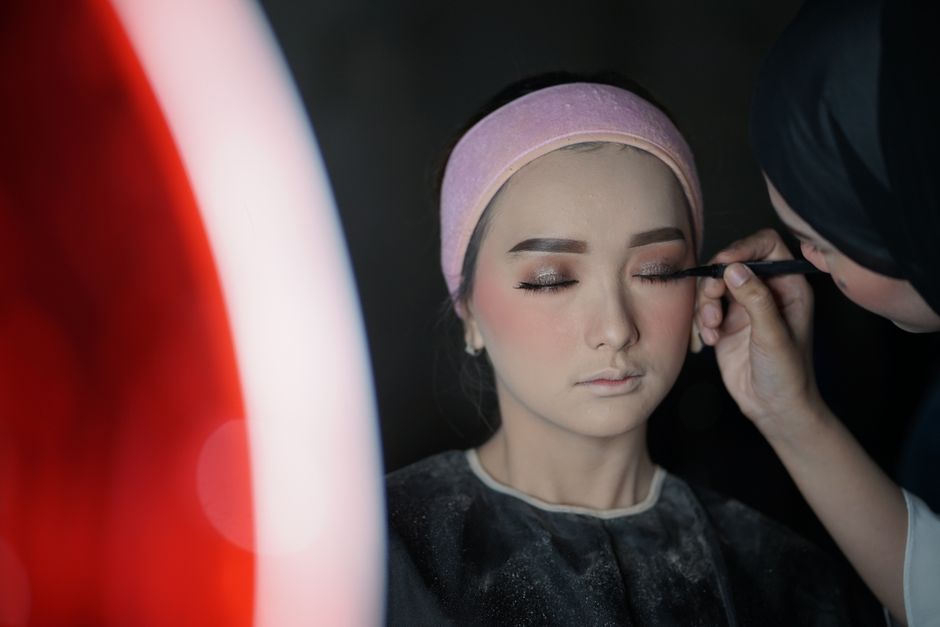
For a small kit, I would choose Maybelline Fit Me Matte + Poreless at about $9, NYX Butter Gloss at about $6, and one drugstore mascara at roughly $10; that three-piece combination covers uneven tone, lashes, and lips, while fingers can blend blush from an existing cream product, so the best low-cost choice for repeated casual outfits is a simple base-and-color kit rather than a large palette filled with shades you will not use.
The $40 upgrade
If you can spend about $40, add Milani Baked Blush in Luminoso at about $11 and e.l.f. Hydrating Camo Concealer at about $8, then keep the total near $34 to $40 depending on local prices; my pick for dry skin is the e.l.f. concealer with a light blush, while combination skin should choose Maybelline’s thinner base, and neither group needs contour, setting spray, or a ten-shade eye palette for an everyday dress.
The Final Look: Easy, Fresh, and Still You
Use the two-minute daylight check
Before leaving, stand near a window and check three things: can you see the skin beneath the base, is the blush blended past its first edge, and does the lip color belong with the dress rather than compete with it? If the answer is no, fix only that point. Wipe away excess foundation with a clean fingertip, soften blush with leftover moisturizer, or press lip color down with one tissue.
Return to the original misconception
The simple cotton dress does not need a bare face, and it does not need a full glam routine. It needs a face with enough color and definition to stay visible beside relaxed fabric. After years of wearing casual dresses, my most reliable formula remains thin coverage, one clear focal point, and colors that echo the outfit without copying it. That is what makes a budget beauty look feel finished: the dress still looks easy, and you still look like yourself.