
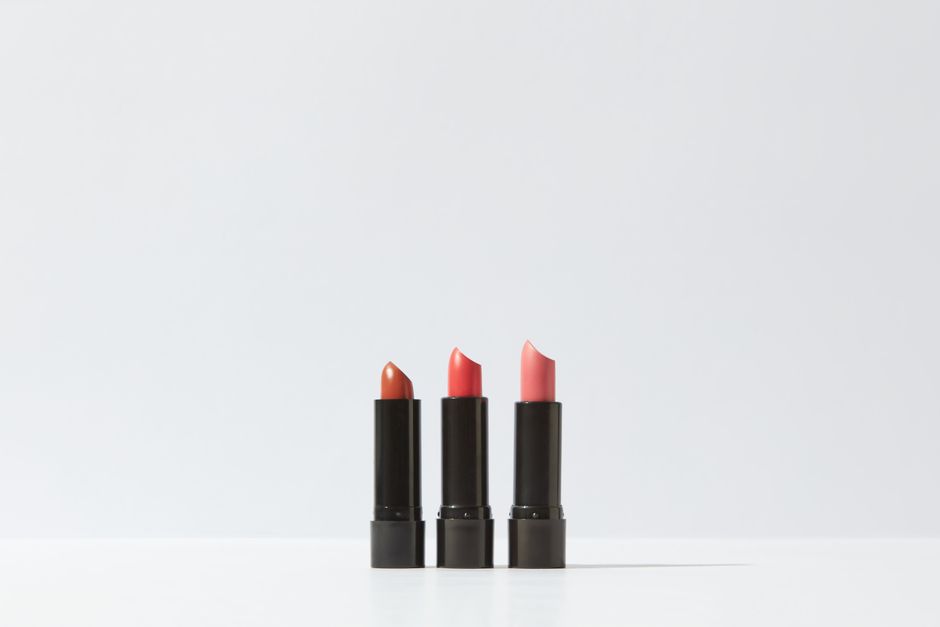
Cold-weather lip and cheek colour can bring an outfit together when a coat, scarf and jumper take up most of the view. The aim is to choose shades and finishes that look comfortable against your skin, work with your winter clothes and remain easy to adjust throughout the day. You do not need a separate seasonal makeup collection. A few thoughtful changes to the colours you already own can give you plenty of options.
Start with the clothes nearest your face
Before choosing a lipstick, look at your scarf, neckline and coat collar. These colours sit close enough to your face to influence how your makeup looks. A soft pink might seem delicate beside grey knitwear but brighter beside a dark green scarf. A brownish rose may feel understated with camel and noticeably warmer against an icy blue jumper.
You do not have to match makeup to clothing exactly. Instead, decide whether you want a gentle connection or a clear contrast. With a burgundy scarf, a muted rosy lip can echo the colour without repeating it. With a navy coat, a warm red lip can become the main colour accent. Try the combination while wearing the actual layers you intend to leave the house in.
Choose the depth before the shade name
Shade descriptions can be vague, and the same colour looks different on different lips and cheeks. Start by deciding how much depth you want. A sheer wash keeps the overall effect soft, while a more opaque lip creates a stronger focal point. Neither approach belongs to a particular skin tone or age.
If a familiar lipstick suddenly looks too pale beside heavy winter fabrics, try applying it more evenly before replacing it. If a deep shade feels overwhelming, use a lighter application. A clean fingertip or lip brush can spread a small amount into a softer layer, provided the product instructions allow this approach.
Use your natural colouring as a starting point
For an easy everyday combination, look for a lip colour related to your natural lip shade and a blusher that gives visible warmth without appearing separate from your skin. That could mean peach, rose, terracotta, berry or plum. Check the result on your face rather than relying on how pale or dark it looks in the packaging.
Undertone labels can help you compare shades, but they need not become rules. If a peach cheek and berry lip look good together on you, there is no need to reject them because the labels suggest different colour families.
Balance your lips and cheeks
Think of the two areas as a pair. You can use a clear lip with a quiet cheek, a noticeable cheek with a softer lip, or similar levels of colour on both. Choosing a lead feature makes application simpler, especially when you are getting ready in limited daylight.
- For a defined lip: apply your lipstick first, then add just enough blusher to connect it with the rest of your face.
- For a fresh cheek: build the blusher gradually and choose a sheer lip colour that does not compete for attention.
- For an even balance: use related shades, such as a rose lip and muted berry cheek, with soft edges on both.
Related does not mean identical. A strong plum on both lips and cheeks may feel heavier than you intended. Keep the cheek application lighter, or choose a less intense version of the same colour family.
Work with the flush you already have
Your cheeks may look different after a brisk walk than they did indoors. If you have just come in from the cold, give your complexion time to settle before deciding how much blusher to add. Otherwise, you may build your makeup around a temporary flush and find the balance changes later.
When you already have noticeable cheek colour, a small amount of blusher may be enough, or you may prefer to skip it. Concentrate on making the lip colour feel connected to your face. Avoid repeatedly layering blusher to make both cheeks perfectly identical; natural variation does not need to be corrected into a completely uniform finish.
Pick a finish that sits comfortably
The best finish is one you enjoy wearing. Cream blusher can be easy to soften in small amounts, while powder can give a controlled, less glossy result. Either can look smooth or uneven depending on the formula, the layers underneath and how much you apply. Let your usual skincare settle before adding colour, then start lightly.
For lips, consider how the finish feels when you speak and smile. A satin or sheer formula may be easier to adjust casually; a matte finish can give a more defined appearance. If your lips feel sore, cracked or irritated, leave colour off until they feel comfortable. For persistent problems, ask a pharmacist or GP for advice.
Keep texture from becoming the focal point
A thick layer of colour can make an uneven surface more noticeable. Add a thin layer first and inspect it before adding more. On cheeks, press or sweep gently according to the formula rather than repeatedly rubbing the same patch. On lips, check the corners and inner edge, where excess product can gather.
Try combinations with what you own
Set out your existing lip colours and blushers, then test a few pairings with a favourite winter neckline. Change one element at a time so you can see what makes the difference. These combinations are useful starting points, with room to adjust the depth:
- Rose lips and soft pink cheeks: a gentle pairing beside grey, navy or cream.
- Brick lips and muted peach cheeks: a warm combination with brown, olive or camel.
- Berry lips and restrained rosy cheeks: a richer option against charcoal or dark knitwear.
- Sheer plum lips and a soft terracotta cheek: a mixed pairing to test when you want warmth without matching everything.
These are possibilities, not a shopping list. If you already own one useful lipstick, vary its intensity and try it with your current blusher before adding anything new. Only use a product on both lips and cheeks when its labelling says it is suitable for those areas.
Check the colour in useful light
Look at your finished makeup near a window in indirect daylight, then step back from the mirror. Close inspection helps with edges, but a little distance shows whether the overall balance works. Put your scarf on for this check: it can hide part of your cheeks or make a lip colour appear more prominent.
For touch-ups, check what remains before adding another layer. Restore colour only where it has faded, then look at both lips and cheeks together. Keeping that small balance in mind makes cold-weather colour feel deliberate, whether you prefer a barely visible rose or a bold berry lip.