
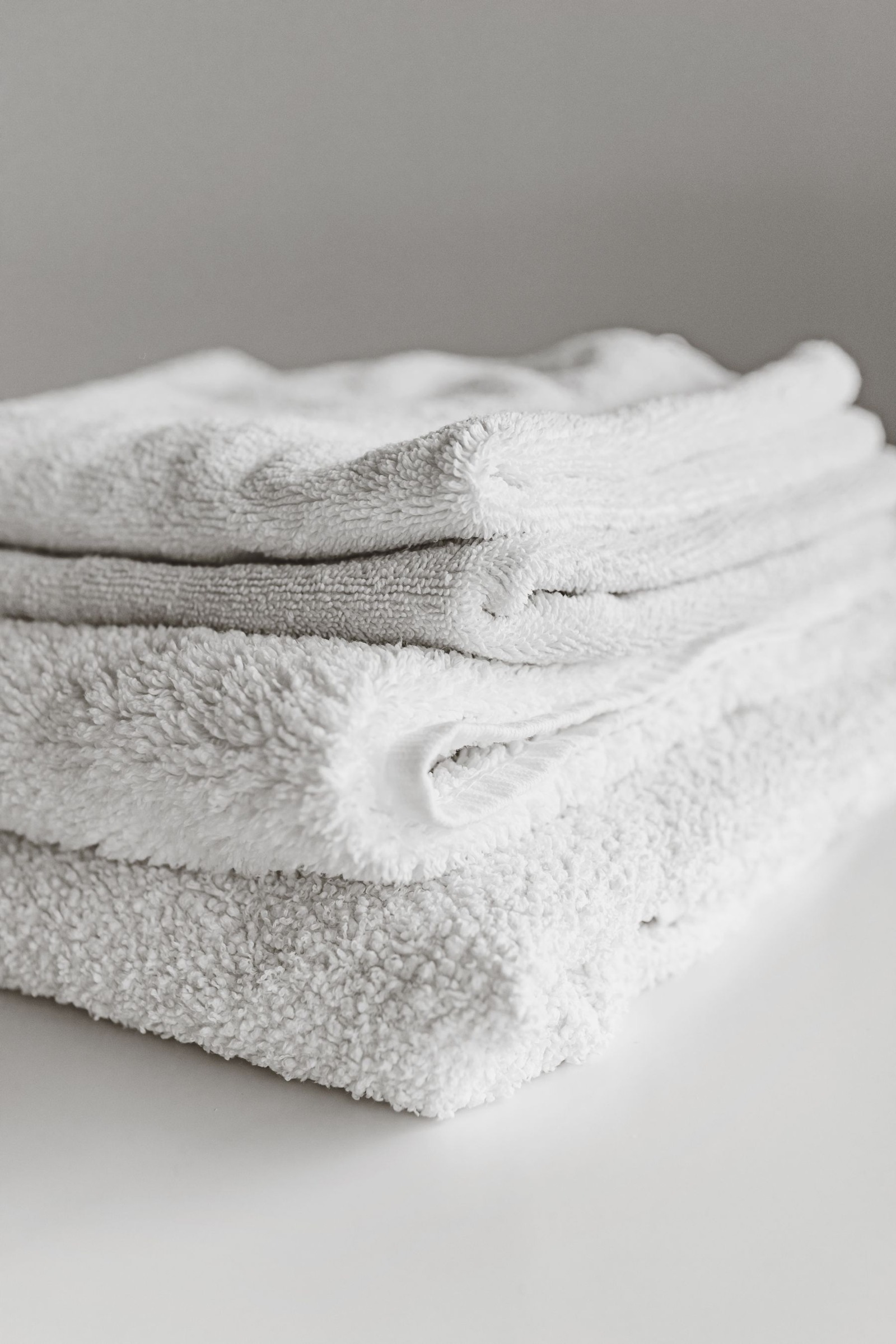
Reusable cleansing cloths are easy to collect and surprisingly awkward to manage. A fresh stack can look organized while yesterday’s damp cloth sits folded beside the basin. The useful part of a cloth routine is not the matching basket. It is having a clear route from clean storage to use, washing and complete drying, without mixing the stages together.
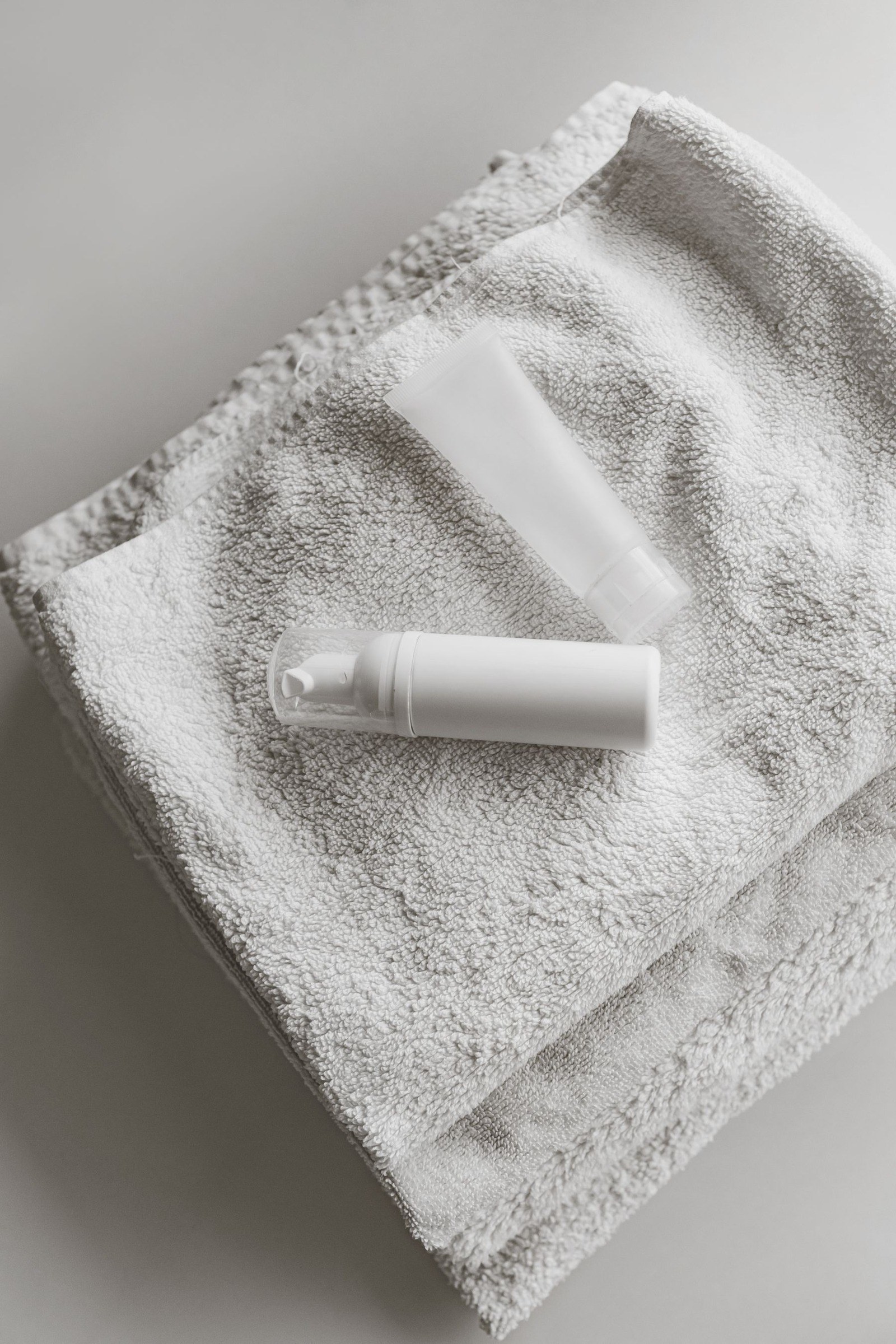
Start with the cloths you already own. A small rotation that moves through laundry regularly is easier to maintain than a large collection with no obvious home for used pieces. Build the system around your actual washing schedule and the space available near the sink.
Sort by care instructions, not just color
Read the labels before putting every cloth into one wash. Cotton flannels, microfiber pads and cloths with stitched decorative edges may have different instructions. Separate anything that needs special treatment. If a cloth has no label, look for the maker’s care information rather than assuming it can tolerate your hottest cycle.
Check the surface as well. A cloth with rough patches, loose threads or persistent residue is not an appealing face tool, even if it matches the set. Keep household cleaning cloths in a different location so a similar square does not accidentally migrate into your cleansing stack.
Create three places with three jobs
- A dry drawer or covered shelf holds freshly laundered cloths.
- An open rail or hook gives a recently used cloth room to dry.
- A laundry container receives used cloths once they are no longer wet.
Those places do not need to be adjacent. In a small bathroom, clean cloths can live in a bedroom drawer while the drying rail stays near the basin. Keep the clean stack away from splashes and store it only when every piece is fully dry.
A sealed jar is convenient for dry cotton rounds but a poor waiting room for damp laundry. Likewise, a deep basket can hide a wet cloth beneath several dry ones. Make the used stage visible enough that it cannot quietly become permanent storage.
Give the drying stage enough space
After use, follow the cloth’s washing instructions. If it needs to wait before laundering, spread it out rather than leaving it in a tight ball. A narrow rail may hold one cloth unfolded; stacking three over the same spot defeats the purpose. Move the rail away from a shower spray that repeatedly wets everything nearby.
When washing is finished, check corners and thick seams before folding. They can remain damp after the center feels dry. A cloth that is still cool and wet at its binding needs more drying time. Do not put it into the clean drawer simply because the rest of the load is ready.
What if there is no spare rail?
Use a removable hook or a small drying rack outside the bathroom, provided the cloth can hang freely and does not drip onto furniture. The exact accessory matters less than airflow and separation. Avoid draping used cloths over the clean towel stack, where their status becomes difficult to read.
Wash for the fabric and the residue
Use the care label to choose detergent, temperature and drying method. If makeup leaves visible marks, check whether the cloth allows pretreatment and whether the product you are removing has special cleanup directions. A remaining stain and a remaining greasy coating are different problems; inspect the feel as well as the color.
Skip improvised mixtures of cleaning products. More ingredients do not make laundry easier to evaluate. If a wash leaves cloths heavily fragranced, stiff or coated, review the amount of detergent and the machine instructions before adding another treatment.
Set the size of your rotation
Count the fresh cloths you use between ordinary laundry days, then allow a little room for washing and drying. That is a practical starting quantity, not a target to keep expanding. If clean supplies repeatedly run out, either adjust the laundry timing or add only the number that solves the gap.
Keep newly washed pieces at the bottom of the stack and take from the top. This simple rotation prevents a few favorites from doing all the work while others stay untouched. At your next laundry sort, remove damaged pieces and reset the three stages. The finished system should make a clean, dry cloth easy to find without turning your bathroom into a display.