
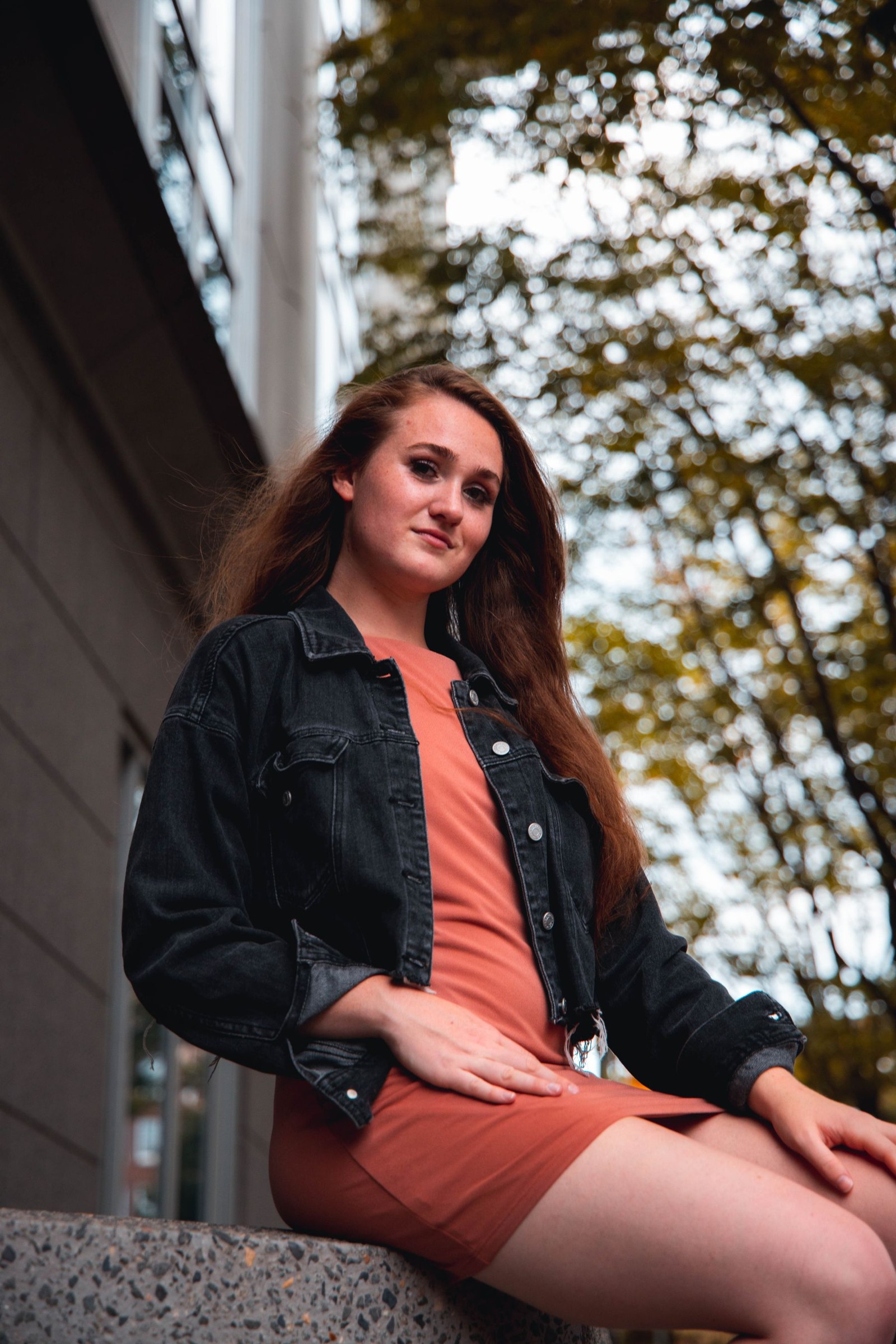
A casual dress can fit comfortably yet feel unfinished when the jacket, bag and shoes all compete for attention. The answer is not necessarily a different dress. Often, changing one visible length or one area of volume makes the combination easier to read. Start with the dress you actually enjoy wearing, then build around its shape.
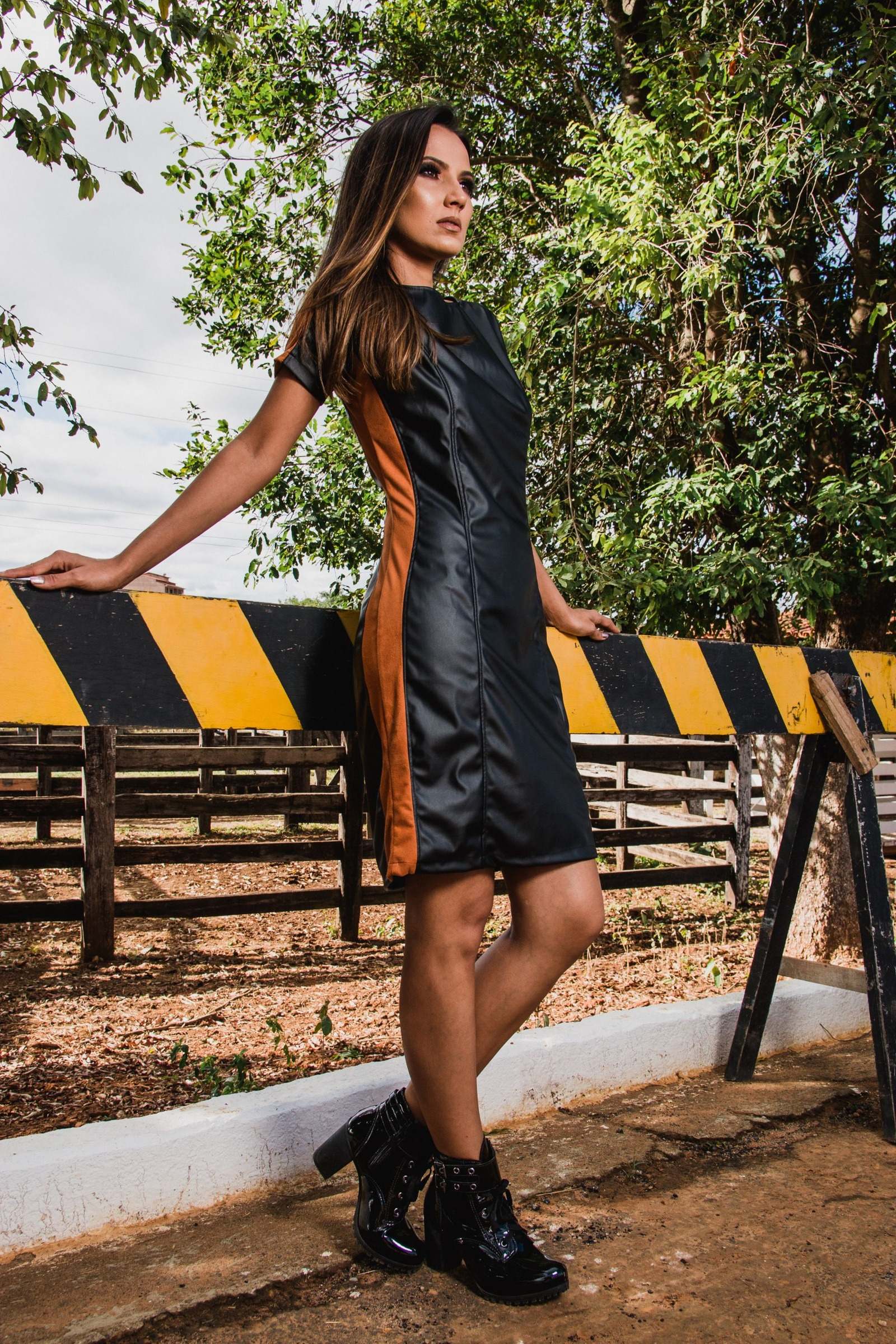
Proportion is a relationship between pieces, not a rule about which bodies should wear which clothes. A roomy dress can work with roomy footwear; a fitted dress can work with a substantial jacket. What matters is whether the arrangement looks deliberate to you and allows the movement your day requires.
Identify the dress’s strongest line
Put on the dress without accessories and stand far enough from a mirror to see the whole silhouette. Notice what appears first: a gathered waist, a straight column, a wide skirt or a broad sleeve. That feature is your starting point. You do not need to create another focal point in every part of the outfit.
A loose cotton dress with a wide skirt already provides substantial volume below the waist. A small, simple upper layer lets that shape remain visible. A straight jersey dress has fewer projecting details, so a boxy jacket can introduce shape without competing with an existing full skirt. These are useful experiments, not compulsory pairings.
Compare lengths before adding decoration
Try your outer layer open and look at where its lower edge crosses the dress. An edge that lands directly on a gathered seam can bunch the fabric or obscure the detail you wanted to show. A slightly shorter or longer layer may solve that issue without needing a belt or extra accessories.
Use a quick temporary comparison: hold the jacket hem higher with your hands, then let it fall normally. This is only a mirror test, not a suggestion to fasten it with hidden clips for a full day. If the shorter length clearly works better, look for a garment already cut to that length.
Choose one adjustment
- Push a flexible sleeve back to reveal the wrist if the cuff stays comfortably in place.
- Swap a long outer layer for a shorter one while keeping the shoes unchanged.
- Try a smaller bag if a large tote hides most of the dress.
- Remove one bulky scarf before deciding the neckline itself is wrong.
Give volume room to hang
Soft fullness needs space, especially where layers overlap. If a wide dress sleeve is squeezed inside a narrow jacket sleeve, the shoulders and neckline can shift even when both garments fit separately. Choose a more accommodating sleeve or a different outer layer. Compressing the fabric harder usually creates more folds, not a cleaner outline.
Likewise, a stiff jacket over a gathered waist may perch on the gathers instead of falling straight. Try wearing it open, or choose a softer fabric that follows the dress. Look at the side view as well as the front: fabric caught at the back can make an otherwise balanced outfit feel awkward.
Use shoes to set the visual weight
Shoes contribute more than heel height. A thick sole, broad strap or contrasting toe can draw as much attention as an accessory. If the dress has a large print and full sleeves, simple shoes leave those details clearer. If the dress is very plain, a substantial sandal or lace-up shoe can provide an intentional finish.
There is no requirement to make every outfit appear longer or narrower. You might prefer the grounded appearance of flat shoes with a relaxed dress. Compare the complete outfit while standing naturally, then walk. A shoe that changes your posture or makes you shorten your stride is not improving the overall result.
Check the bag where it actually sits
Wear a shoulder bag or crossbody at its usual strap length rather than holding it decoratively. Its position can hide a waist detail or pull one side of a loose dress inward. Adjust the strap, change shoulders, or choose a smaller bag if it keeps interfering with the dress’s natural fall.
Finish by taking a plain mirror photograph of your preferred version and noting the one change that helped. For example, record that the short jacket exposed the waist seam, rather than writing that the outfit was simply better. That small observation makes the same dress easier to style again without rebuilding everything from the beginning.