
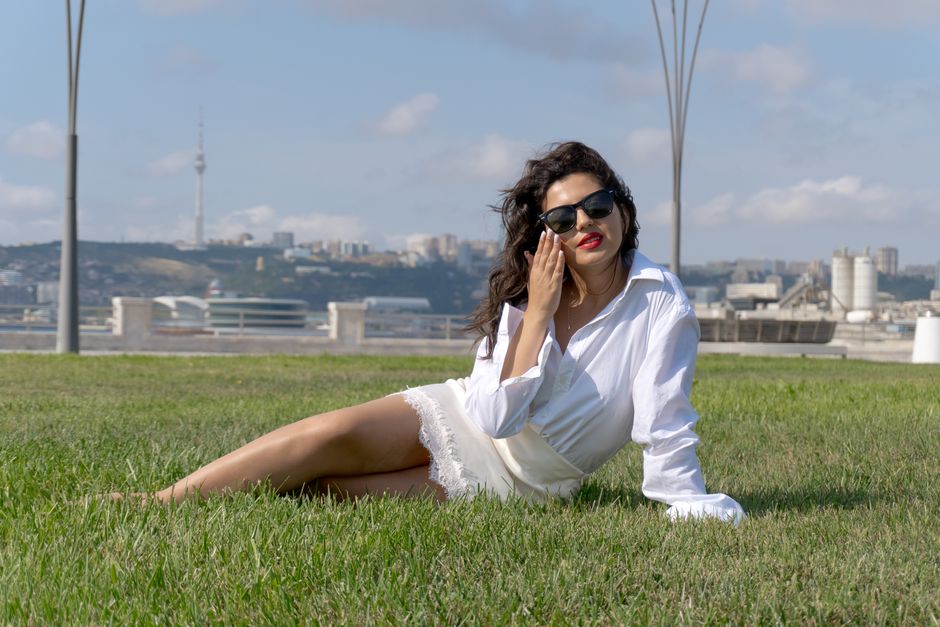
A city break asks a lot of your clothes. You might spend the morning on cobbled streets, stop for lunch without returning to your accommodation, then head straight to a gallery or an evening meal. A useful holiday wardrobe supports that changing day while still feeling like you. Start with the places you will visit and the way you will get around. You can build a comfortable selection from familiar clothes without buying a separate outfit for every stop.
Let your itinerary shape your wardrobe
Look at each day as a sequence of activities. A museum followed by a relaxed lunch needs a different approach from a long uphill walk followed by a formal restaurant. Mark the moments when your clothing requirements genuinely change. Often, you need an extra layer or a neater top rather than a complete change of clothes.
Check practical requirements for any venues you plan to enter. Some religious sites require covered shoulders or knees, while particular restaurants and performance venues may state a dress code. Read the venue information before deciding what deserves space in your bag. A lightweight shirt can provide coverage and serve as a useful everyday layer.
Think about the journey between stops
Distance matters as much as the destination. Consider whether you will carry your own luggage, use public transport or travel mostly on foot. Choose your arrival outfit with those movements in mind, especially if you cannot leave your bag at your accommodation immediately. Clothes that feel comfortable on a short stroll should also cope with stairs and station platforms.
Build around clothes you already reach for
Pull out the pieces you happily wear for an ordinary busy day. Familiar trousers, a favourite top and an easy jacket are useful starting points because you already know how they behave. Holiday clothes do not need to look dramatically different from your usual wardrobe. The change of surroundings brings plenty of novelty on its own.
Choose a loose colour connection so your layers work across several outfits. Navy trousers, a cream top and a green shirt might share a jacket with a patterned skirt. Your connecting colour can come from a print you love; it does not have to be black or beige. Lay the actual pieces together to check the combinations.
Keep your personal comfort preferences in the decision. If you dislike adjusting straps or wearing a tucked-in top, those details are unlikely to become more appealing during a busy sightseeing day. Give space to clothes that let you concentrate on where you are.
Give each sightseeing outfit a clear job
Decide what each outfit needs to handle. A day with lots of sitting and standing might suit straight-leg trousers with a soft waistband and a simple top. A skirt can work well for gentler exploring, provided you are happy wearing it on steps, escalators and breezy streets.
- For a long walking route: choose an easy outfit with nothing trailing near the ground or requiring repeated adjustment.
- For museums and galleries: include a removable layer for the shift between outdoor streets and indoor rooms.
- For browsing markets: favour clothes and a bag that leave your hands available.
- For a leisurely lunch: wear something you can sit in comfortably without needing to loosen or rearrange it.
These jobs can overlap. The same trousers might cover the market, gallery and lunch, with a change of top when you want a fresher look. There is no need to assign a new outfit to every activity just because it appears separately on your itinerary.
Plan for weather at street level
Check the forecast close to departure, then consider how exposed your plans will be. Waiting outside a venue, walking beside a river and sitting on a shaded terrace can feel different from moving through a sheltered shopping street. Choose an outer layer that suits the time you expect to spend outdoors.
Make your layers easy to remove and carry. A light jumper that fits inside your day bag is more useful than one you must hold all afternoon. If rain is likely, take a suitable rain layer you already own. Check that its hood stays put and that it closes comfortably over the clothes beneath it.
Avoid treating every possible weather change as a reason to add another bulky item. Identify the likely conditions and choose pieces that address them together. If your outer layer handles wind and showers, you may only need a warmer layer underneath for cooler periods.
Take footwear that suits the route
Choose your main walking shoes from pairs you have already worn comfortably for a comparable outing. City routes can include uneven paving, steep lanes and long station corridors. Check the condition of the soles and fastenings before departure, and wear the socks you normally use with them.
A second pair earns its place when it solves a real problem: giving damp shoes time to dry, for example, or meeting a stated evening dress code. If your comfortable everyday shoes work for your planned meals and venues, you can keep wearing them.
Make evenings a small adjustment
Decide how dressed up your evenings are likely to be. For a casual dinner, changing into a clean top and adding earrings may feel sufficient. For a smarter booking, set aside one suitable combination and check that you have everything it requires. Avoid bringing an evening piece that depends on several extra items you otherwise would not use.
Dark trousers with a textured blouse can feel ready for dinner while sharing the jacket you wore earlier. Alternatively, a simple skirt and fine jumper can suit a quieter evening. Choose the combination that matches both the venue and your taste.
Spend only on genuine gaps
Try your planned outfits before shopping. The missing element may already be in another drawer, or a different combination may remove the need for it altogether. If something needs replacing, define its job first: a layer that fits under your coat, for instance, rather than an unspecified holiday purchase.
Borrowing an occasional-use item can also make sense if someone is happy to lend it. Give any new addition a proper wear before departure. Finding an irritating seam at home is easier to deal with than discovering it halfway through a walking tour.
Do a final day-by-day check
Read through your itinerary with your clothes in front of you. Make sure you have an arrival outfit, workable daytime options and whatever your evening plans require. Account for clean underwear and socks, and do not rely on washing facilities unless you know they are available and will have drying time.
Remove pieces with no clear use. Check working zips, secure buttons and a day bag that comfortably carries your layer and essentials. Your wardrobe is ready when you can picture getting dressed each day without solving a new clothing puzzle before breakfast.