
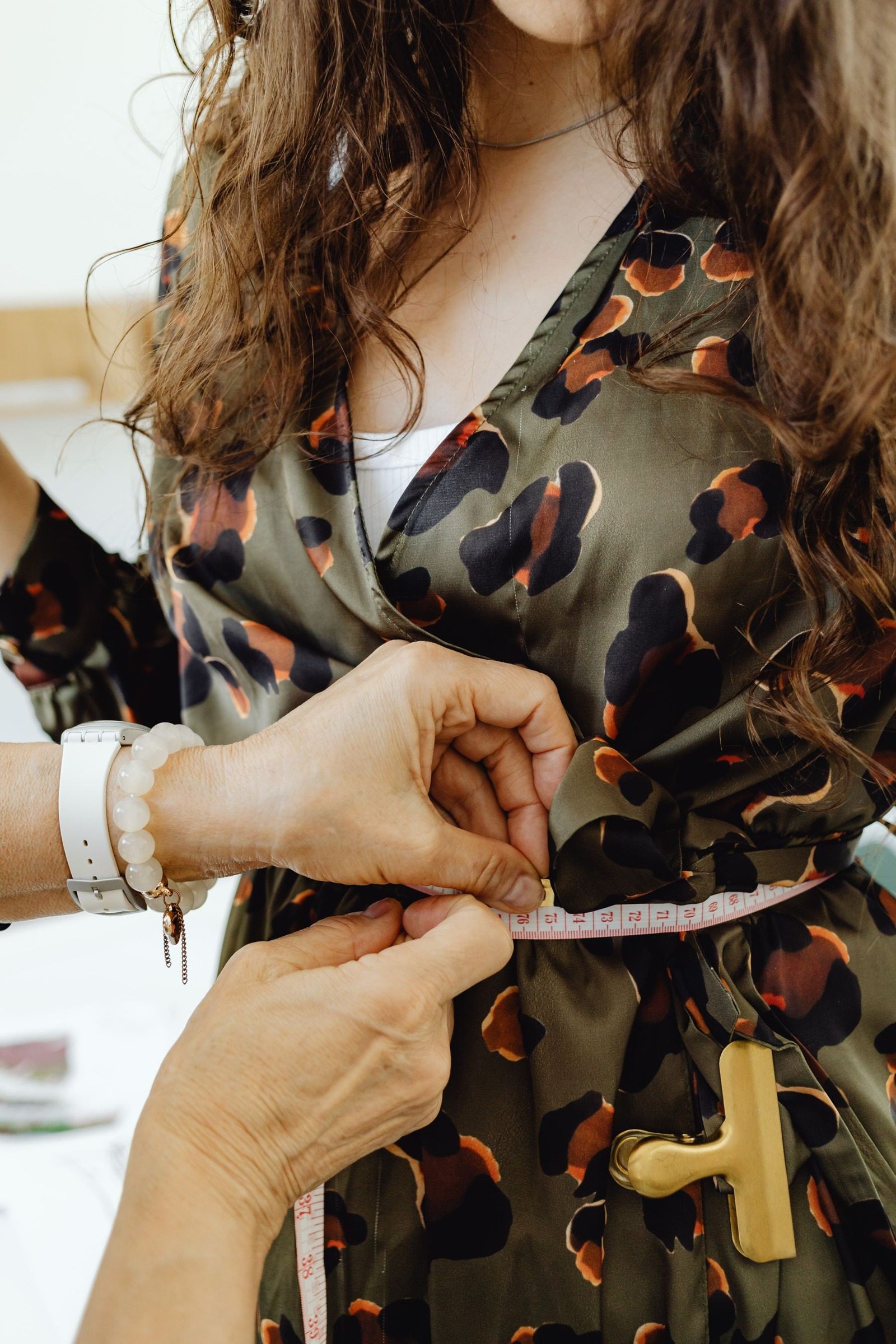
A dress you enjoy wearing can provide a useful reference when shopping, especially when size labels vary between brands. Measuring it shows the dimensions of a garment that works for you, not just the number printed inside it. The comparison is most useful when you understand what the measurements represent and keep unlike constructions separate.
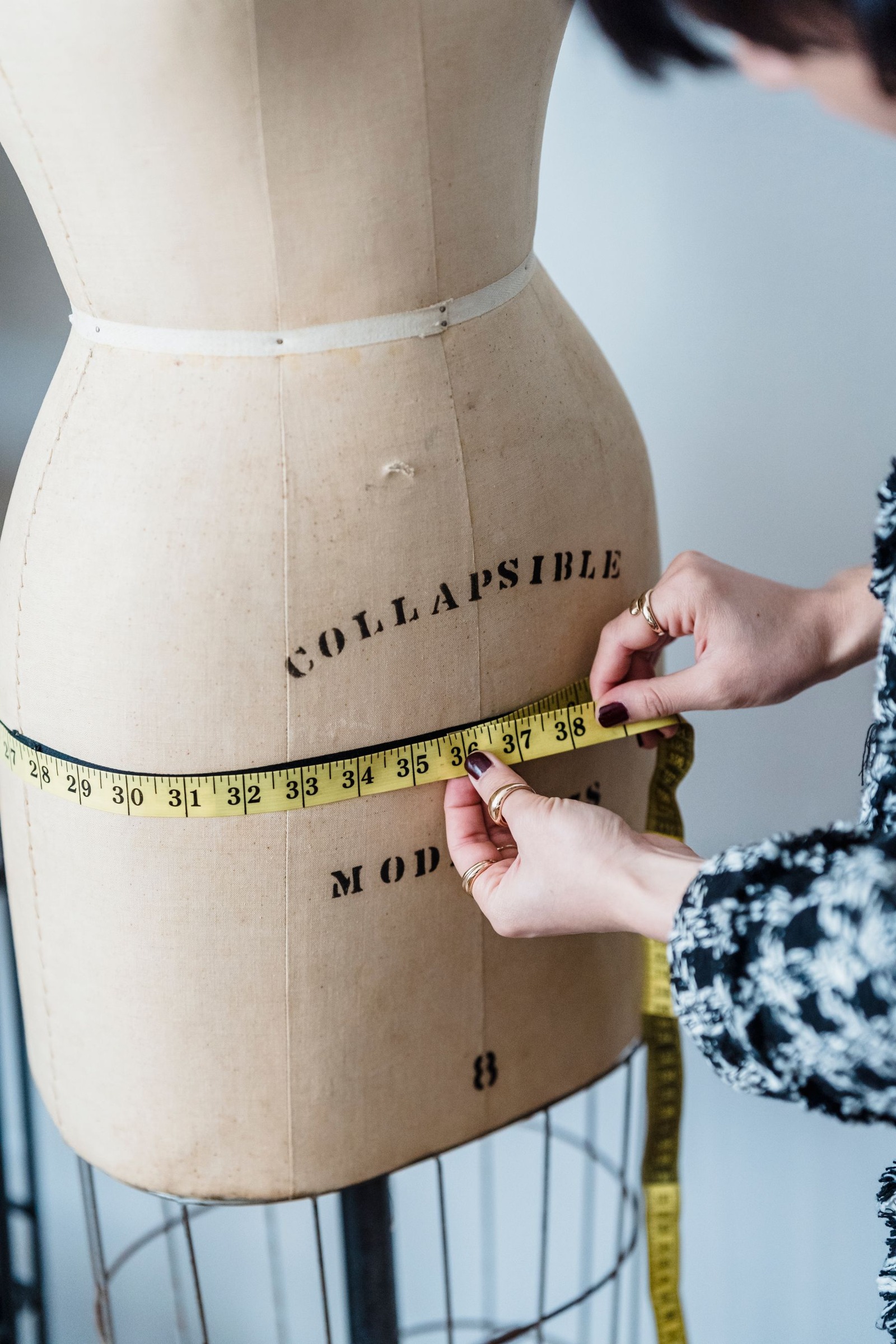
Choose a clean, dry dress that has returned to its normal shape after wear. It should fit the way you want, not simply be the closest option available. Use a flexible measuring tape, a flat surface and a short note identifying the dress, its fabric and whether it has meaningful stretch.
Separate body charts from garment measurements
A body size chart describes the person a brand intends the size to fit. Finished garment measurements describe the clothing itself. These are not interchangeable. A woven dress usually needs room beyond body dimensions to move, while a stretchy fitted style may be designed differently. Check which type of chart you are reading before comparing numbers.
If a listing provides only body measurements, use your body measurements as directed by that brand rather than substituting the flat width of your dress. Your favorite garment still offers helpful context about length, cut and room, but it cannot turn a body chart into a finished-garment chart.
Lay the dress flat without stretching it
Fasten buttons or zippers and arrange the dress with the front facing upward. Smooth ordinary folds gently, keeping seams in their natural positions. Do not pull the fabric taut to make the edges look perfectly straight. For a bias-cut or highly draped dress, flat measurements may be less representative of the shape it takes when worn.
Place sleeves out of the way and check that the back is not folded underneath. A separate lining should lie naturally too. If the outer fabric is much wider than the lining, note both where practical, because the narrower inner layer may determine how much movement the dress allows.
Record a small set of clear measurements
- Chest width across the garment at a clearly described point below the armholes.
- Waist width at the seam, or at a recorded distance from the shoulder.
- Hip width at a stated distance below the waist.
- Length from a defined shoulder point to the hem.
- Sleeve length and upper-sleeve width when these affect your fit.
Describe the measuring points precisely
A number without a location is difficult to reuse. Record where you placed the tape, especially on dresses without a waist seam. For length, note whether you started at the highest shoulder point, the shoulder seam or the back neck. Different retailers use different methods, so compare only when the starting points are clear.
A flat width across a simple symmetrical garment is approximately half its circumference at that point. Do not double a measurement automatically when the shape includes deep folds, overlapping wrap panels or complex draping. Note whether pleats were closed and whether elastic was relaxed so the record remains meaningful.
Keep stretch comparisons realistic
Record the knit dress’s relaxed dimensions without pulling it to its maximum. Maximum stretch is not a useful comfort target and can stress the fabric. A firm woven dress with the same flat width may feel entirely different because it does not expand in movement. Compare similar fabric behavior whenever possible.
Likewise, a full skirt can have abundant hem width while still being fitted through the hips. Measure the area that determines comfort rather than assuming the widest part of the garment tells the whole story. For a close sleeve, upper-arm width can be more informative than cuff width.
Use the record as a filter, not a guarantee
When a listing includes finished measurements, compare them with the matching points on your dress. Notice meaningful differences in the areas that usually cause trouble, such as a shorter bodice or narrower upper sleeve. Read the construction details too; a wrap opening or stiff lining can change how those dimensions behave.
Keep separate notes for a reliable woven dress and a reliable knit if you wear both. Add a brief fit observation, such as comfortable seated room or easy forward reach. The measurements narrow the search, while a try-on and movement check remain the final test of whether another dress works in the same useful way.