
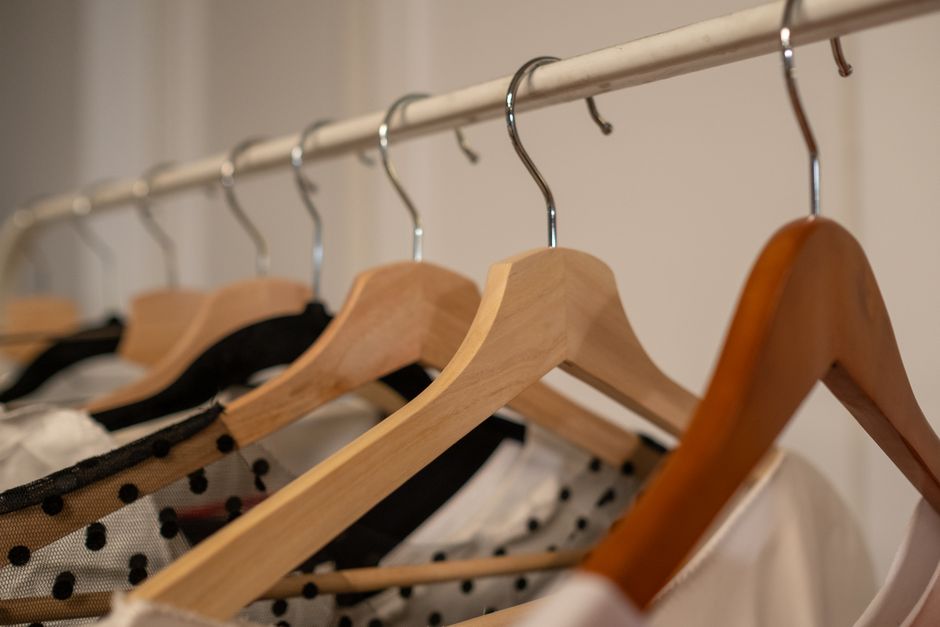
Rebuilding your wardrobe after summer can feel like starting again, especially when the clothes you have worn on repeat suddenly seem less useful. Yet the most helpful reset begins with finding out what your everyday wardrobe actually needs. Before you buy anything, look at what survived a busy summer, what no longer fits comfortably and which missing pieces make getting dressed difficult. A careful review gives you a workable wardrobe without turning a change of season into an expensive shopping project.
Work out what you are rebuilding for
Start with your ordinary week, rather than an imagined version of it. Perhaps you are returning to a regular commute, spending more time outdoors or moving between home and a casual workplace. Write down the situations you dress for most often, including the less exciting ones. School runs, food shopping and evenings at home deserve clothes that feel comfortable and presentable too.
Beside each situation, note the practical requirements. You might need washable clothes, pockets, an adjustable waistband or pieces that fit beneath a work uniform. These requirements provide a useful filter later. Something can be attractive and affordable without helping you get dressed for the life you currently lead.
Review the clothes that worked hardest
Begin with the pieces you actually wore throughout summer. They offer better evidence than clothes kept for hypothetical occasions. Ask what made each favourite useful: easy care, a comfortable cut, a colour you enjoyed or a fabric that felt pleasant. Those qualities can guide your decisions even if you will soon need different garments.
Then look at the clothes you avoided. Separate temporary obstacles from lasting problems. A missing button is different from a waistband you dislike wearing. A dress waiting to be ironed is different from one that never feels like you. Being specific prevents you from buying another version of a piece that already disappoints you.
- Ready to wear: comfortable, in good condition and useful for your current routine.
- Needs attention: worth keeping once a clear, manageable job is done.
- Unsure: needs a proper try-on before you decide.
- Ready to leave: no longer wanted or suitable for you.
Check condition before counting your options
A full rail can hide a shortage of wearable clothes. Inspect the pieces you expect to rely on, paying attention to underarms, cuffs, inner thighs and fastening points. Look for loose stitching, worn elastic, damaged zips and marks that were easy to overlook during warm weather. Count an item as available only when it is ready to put on.
Give repair jobs a realistic next step. Sew on the button if you can, or ask for an alteration quote before committing to more complicated work. Follow care labels when cleaning and removing bobbles. If a job needs skills or equipment you do not have, include that effort in your decision about whether the garment still earns its place.
Try things on without judging your body
Clothes stored away since cooler weather may feel different when you put them on again. Try them with the underwear you normally wear and allow yourself time to sit, reach and walk. Notice whether you can breathe comfortably and whether you keep tugging at the garment. The aim is to establish what works now.
A size label cannot tell you whether something belongs in your wardrobe. Keep the clothes that suit your present comfort and needs within easy reach. If you want to retain sentimental pieces or clothes that currently do not fit, store them separately where possible. Your daily choices should not require negotiating with garments you cannot comfortably wear.
Identify the missing role, then the garment
A useful gap is a specific job your existing clothes cannot do. “Something new” is a wish; “washable trousers for days when my only suitable pair is drying” is a practical need. Naming the job makes it easier to judge whether a potential purchase will help, and whether another item you own could already cover it.
Check each suspected gap against what is available. You may have plenty of tops but too few suitable bottoms, or enough clothes for going out but very little for everyday errands. Avoid assuming every category needs replenishing. Rebuilding usually means correcting an imbalance, rather than replacing everything you wore before summer.
Keep a short gap list
For each genuine need, record the garment, its purpose and any essential features. Include colours that will work with your existing clothes, but leave room for alternatives. “Comfortable dark trousers with usable pockets” gives you a clearer brief than a long list of fashionable details that may make a suitable option harder to find.
Decide what deserves your budget first
Put the most disruptive gaps at the top of your list. A missing everyday item that affects several mornings matters more than another occasional outfit. Also consider laundry: if a useful garment is constantly in the wash, a second option may serve you better than something for an event you have not planned.
Set a spending limit that feels manageable before browsing. Allow for any necessary alterations or care costs, and check the return conditions before buying. A reduced item still uses money you could put towards a more useful piece. You do not need to complete the whole list in one trip; solving the main problem first may be enough.
Make every potential addition pass a usefulness check
Before buying, think through when you would wear the item next. Name the clothes you already own that would go with it, and consider whether you have suitable underwear and footwear. If it needs several more purchases before it becomes wearable, it may be a larger commitment than it initially appears.
Check how it feels and behaves, too. Can you manage the fastening easily? Does the fabric suit your usual washing routine? Is the fit comfortable when seated? For second-hand clothes, inspect wear and ask for measurements when needed. The most useful bargain is something you will happily reach for without a list of conditions attached.
Give uncertain clothes a fair trial
Some pieces need a real wearing day before you can judge them. Choose an ordinary occasion and try an uncertain garment for a few hours, provided it is comfortable and suitable. Afterwards, note what happened. Perhaps it worked well, or perhaps the same slipping strap or restrictive sleeve distracted you throughout the day.
Use that evidence to decide whether to keep, repair or pass it on. Avoid keeping everything in a permanent “maybe” category. Equally, do not rush to discard a useful piece simply because it feels unfamiliar after months unworn. A short trial can distinguish a forgotten favourite from something you are repeatedly trying to make yourself like.
Let the rebuild happen gradually
Keep your gap list handy as normal life resumes. When getting dressed is awkward, record the actual reason instead of immediately shopping. Repeated difficulties reveal priorities; a single frustrating morning may simply mean the washing needs doing. Revisit the list once you have worn your available clothes in your usual routine.
Stop buying when the practical problems are resolved, even if your wardrobe does not look completely transformed. You should be able to find comfortable, suitable clothes, care for them without difficulty and see what you own. That is a useful result from a post-summer rebuild: a wardrobe that supports your days and leaves room in your budget for everything else.